Hey everyone, Ian here!
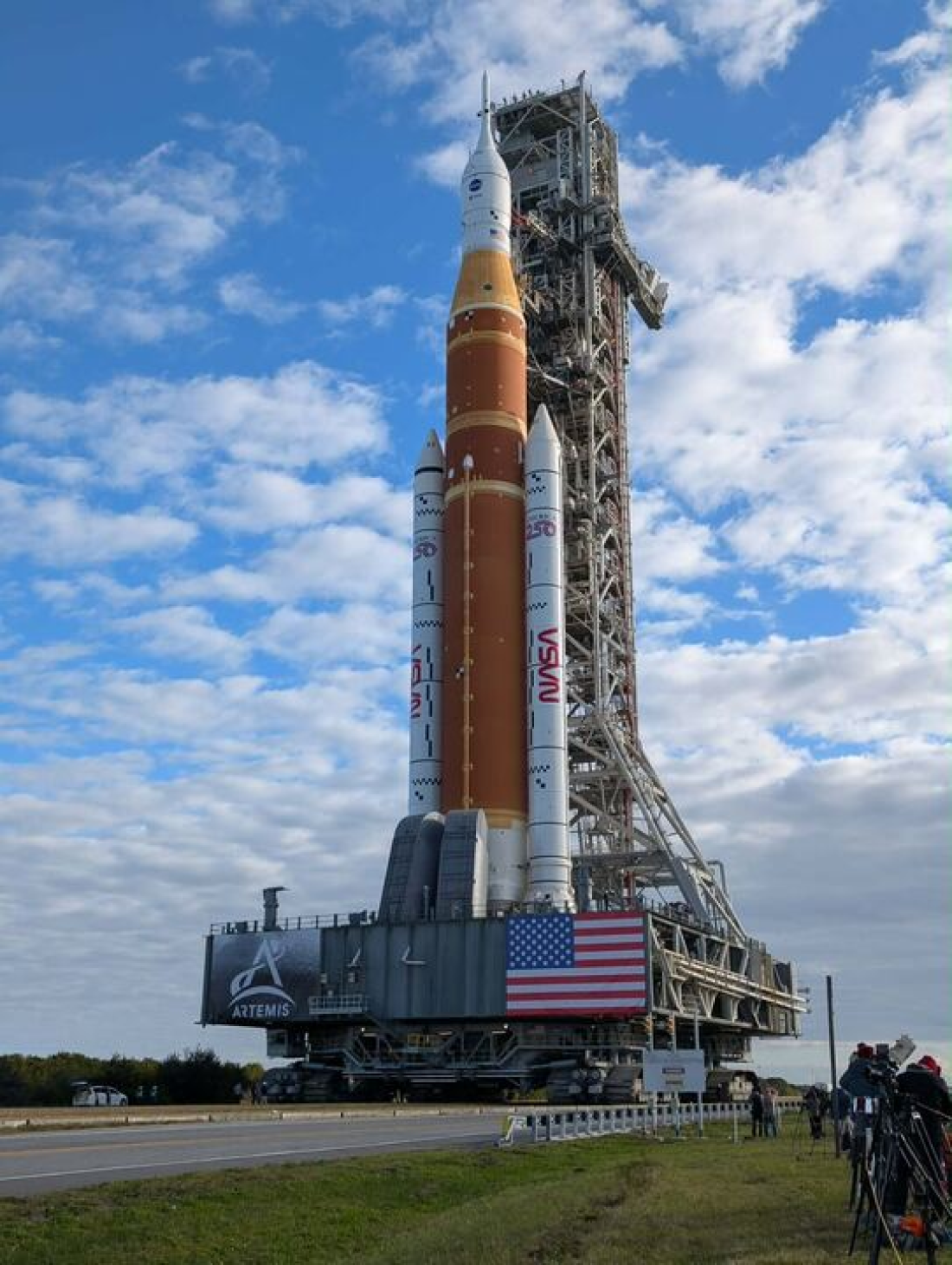
Right now, the energy in the aerospace community is electric. We are counting down to NASA’s Artemis II mission, where four brave astronauts—Reid Wiseman, Victor Glover, Christina Koch, and Jeremy Hansen—will climb aboard the Orion spacecraft and journey around the Moon.
But as the Space Launch System (SLS), the most powerful rocket ever built, ignites its engines, a familiar challenge returns: Vibration.
To an engineer, a rocket launch is the most violent environment on Earth. The acoustic energy alone is enough to shatter glass and shake delicate electronics to pieces. This is why, for over 40 years, NASA has turned to the same material we ship out every day at Isolate IT: Sorbothane®.
A Resume Written in the Stars
Sorbothane’s history with NASA isn't just a footnote; it’s a cornerstone of some of the most famous missions in history.
-
The Space Shuttle Program: NASA worked with Sorbothane to protect high-sensitivity cameras on the Space Shuttle. These cameras provided vital images to verify the integrity of the shuttle’s heat shields during the violent thrust of launch. Sorbothane absorbed that energy, ensuring the "Space Shuttle shake" didn't result in blurred data.
-
The Hubble Space Telescope: Precision is everything when you're photographing galaxies billions of light-years away. Sorbothane isolators were used to protect the telescope’s delicate components, absorbing the tiny vibrations from internal moving parts that would otherwise ruin long-exposure images.
-
The International Space Station (ISS): One of the coolest applications is the Treadmill Vibration Isolation and Stabilization System (TVIS). When astronauts run on the ISS to maintain muscle health, the impact of their feet could actually vibrate the entire station out of orbit or disturb sensitive microgravity experiments. Sorbothane absorbs that impact, decoupling the runner from the station itself.
Artemis II: Protecting the Mission to the Moon
As we look toward Artemis II, the requirements are even more stringent. The Orion spacecraft (recently named "Integrity" by the crew) will travel farther from Earth than any human-rated mission in history.
In deep space, materials have to be:
-
Vacuum Stable: They can't "outgas" or release chemicals that could fog lenses.
-
Temperature Resistant: They must survive the extreme thermal cycling of space.
-
Highly Damping: They must protect the crew and cargo from the 2.2 million pounds of thrust generated by the SLS.
Whether it's isolating a sensor array or protecting a life-support component, Sorbothane remains the material of choice because it converts 94.7% of impact energy into heat, rather than bouncing it back into the hardware.
Space-Grade Tech in Your Workshop
The best part? You don't need a billion-dollar budget to use NASA-grade engineering. The exact same polymer used to protect Hubble and the ISS is available to you right now.
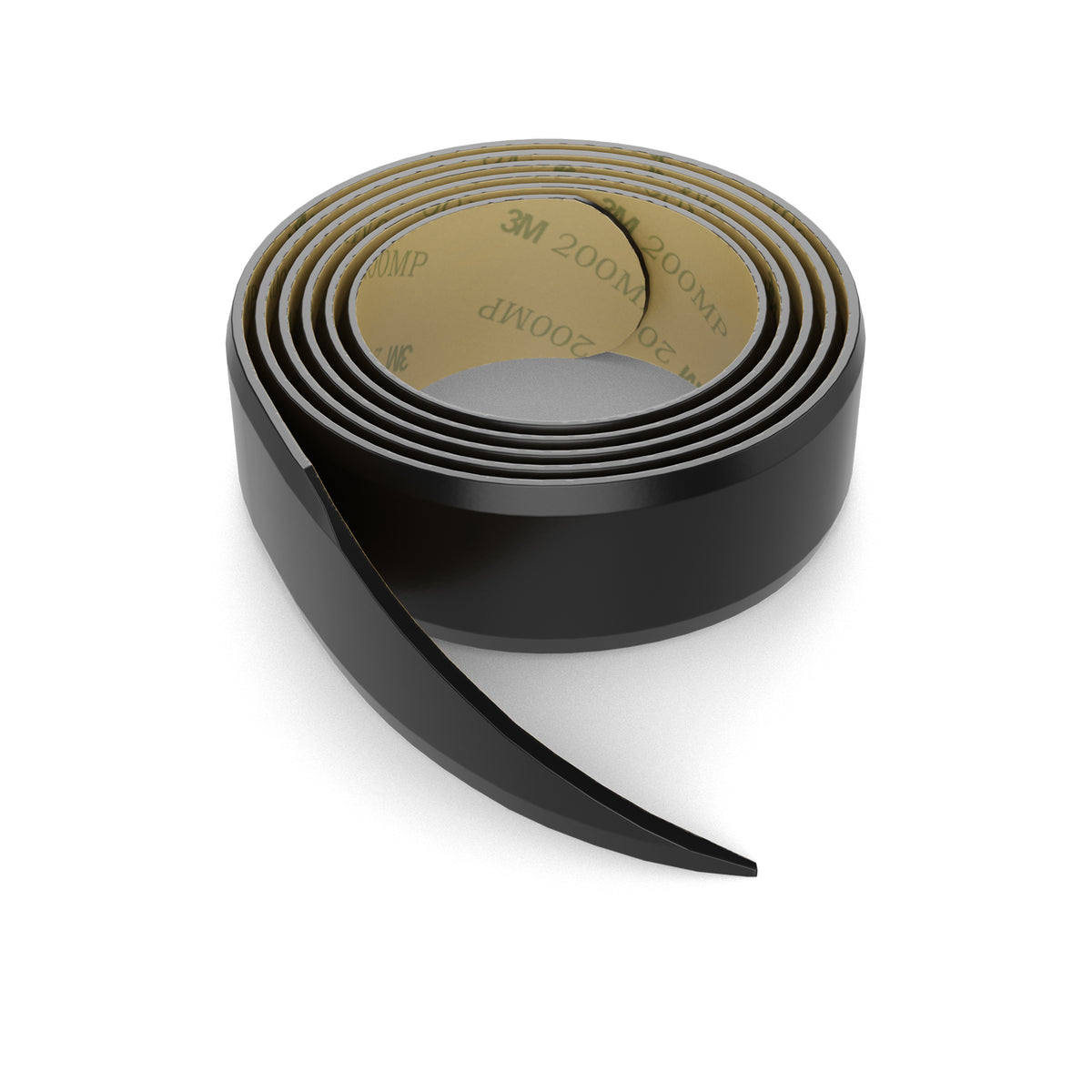
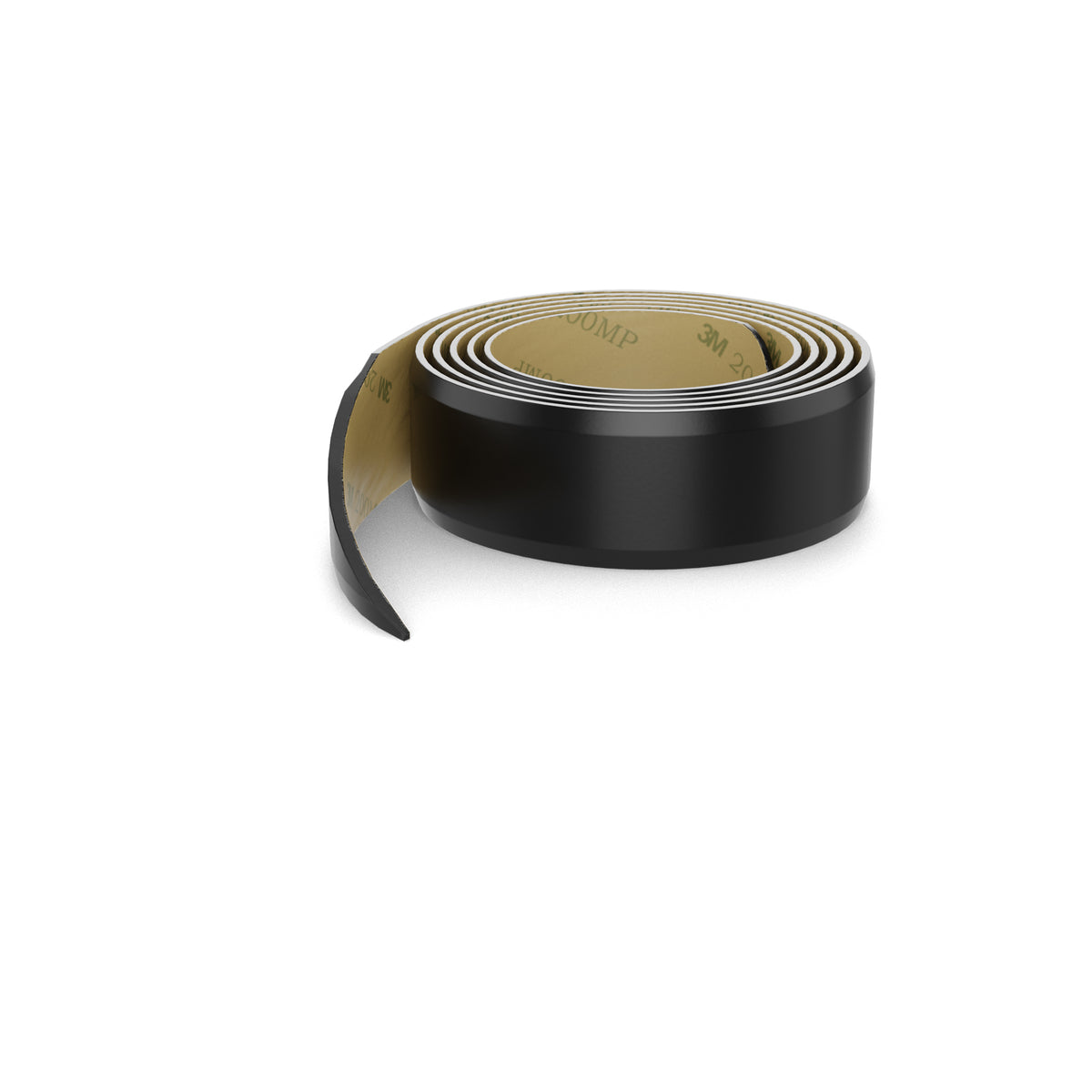
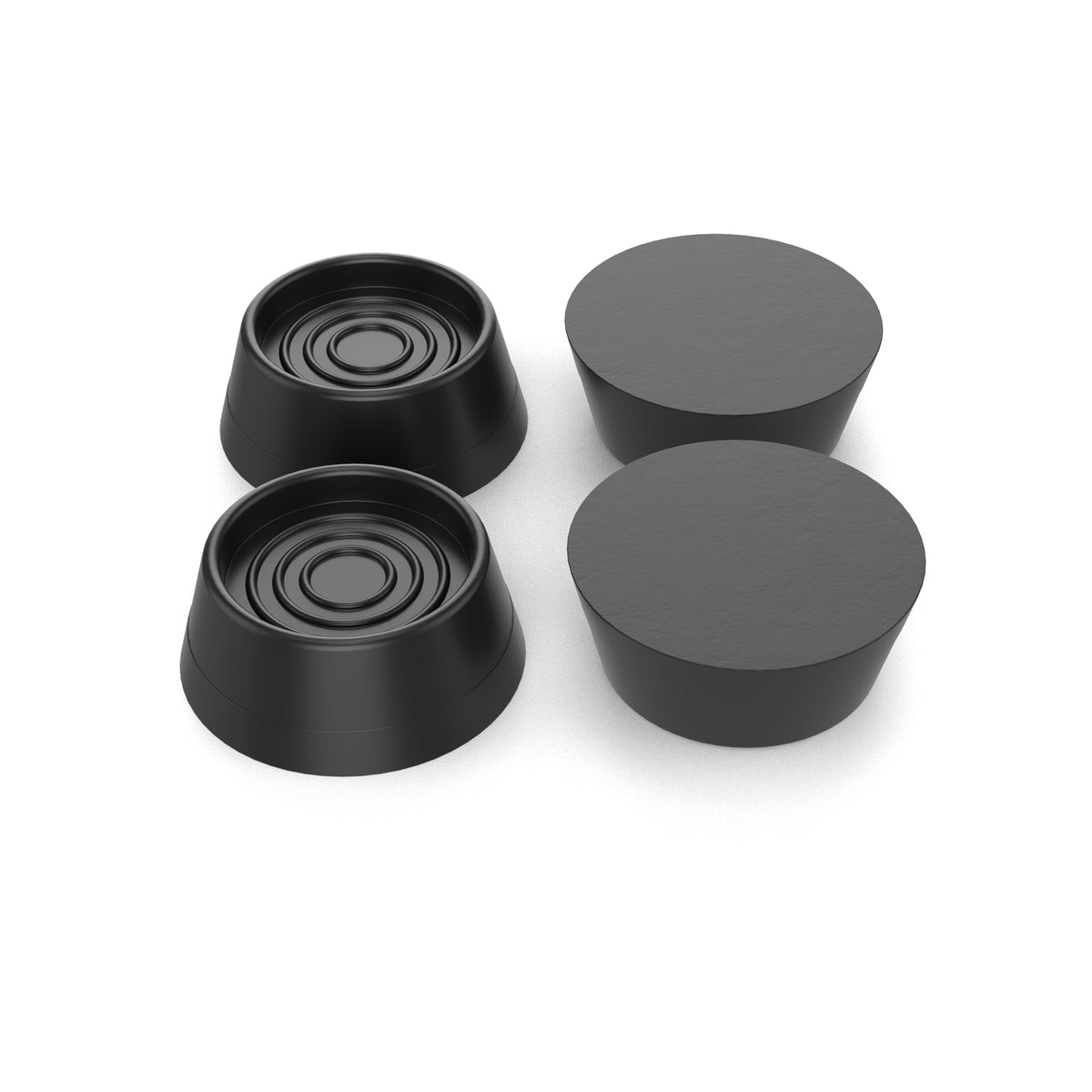
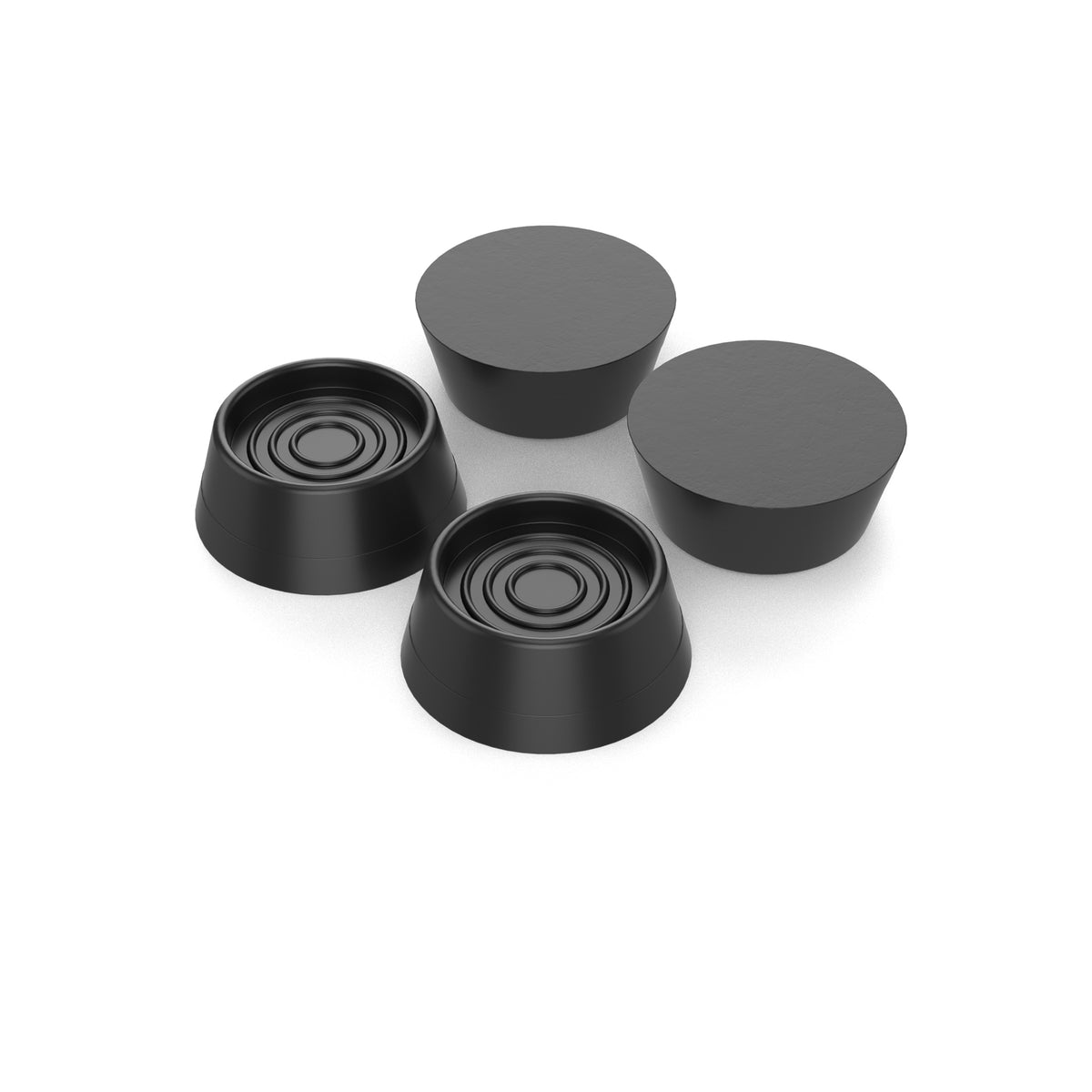
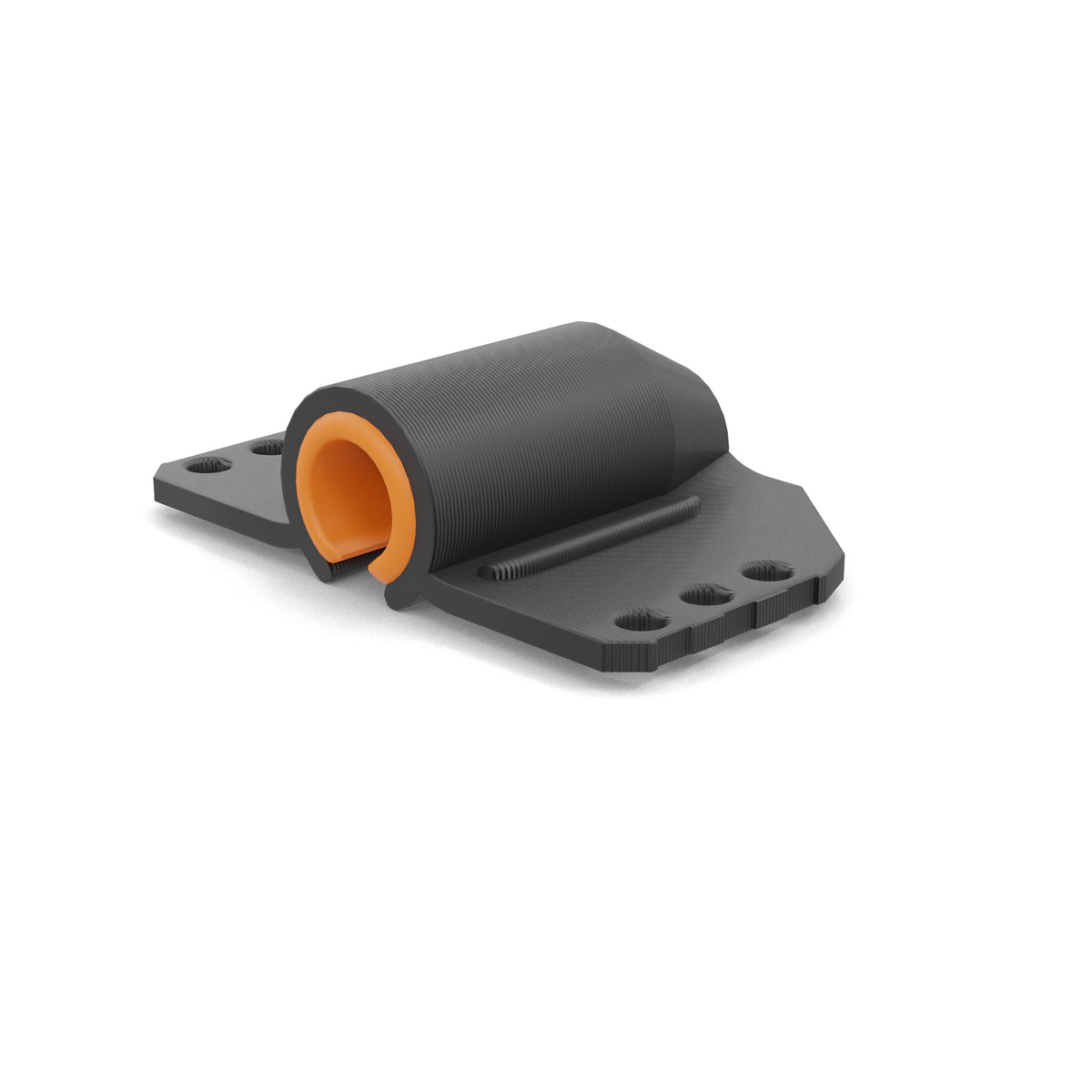
When you use Sorbothane to stop your 3D printer from "ghosting," quiet your blender, or isolate your turntable, you are using the same "vibration black hole" that NASA trusts with the lives of its astronauts.
As we watch the Artemis generation take flight, we’re proud to provide the material that keeps the journey quiet, stable, and safe.
Are you ready for the Moon? What "space-age" problem are you trying to solve in your own shop? Let’s talk in the comments!