Running at home is one of the best ways to build a consistent workout routine—there is no need to worry about gym commutes, memberships, or inclement weather. Thanks to virtual fitness classes, today’s smart treadmills offer seamless integration with interactive workouts, live coaching, and automated speed or incline adjustments.
However, bringing a high-performance treadmill into your home comes with a major catch: vibration. Every stride sends a shockwave down through the frame, into the floor joists, and directly through the structure of your house or apartment.
Whether you’re dealing with the steady, high-frequency hum of an electric drive motor or the low-frequency "thud" of footfalls during a sprint, treadmill noise travels fast—and it’s usually the people in the room below who complain first.
Here is a guide to selecting the right treadmill type, key shopping advice, and how to properly isolate your machine using viscoelastic polymer science.
Understanding Treadmill Configurations & Connectivity
Top-rated treadmills can range from $3,000+ for feature-heavy models down to under $1,000 for simple builds. Before buying, decide which form factor aligns with your fitness goals and available space:
1. Non-folding Treadmills
-
The Lowdown: Constructed with heavy, robust frames, longer belts, and larger running surfaces. They are the top pick for frequent, long-distance runners who need higher top speeds and steeper inclines.
-
Trade-Offs: They take up a fixed, permanent footprint and are generally heavy to move.
2. Folding Treadmills
-
The Lowdown: Designed so the running deck folds up vertically between the handlebars when not in use. Many include transport wheels for easier storage.
-
Trade-Offs: Less expensive folding models often have shorter decks (better for walking than running) and lower weight limits. Always measure your ceiling height, as folding a treadmill increases its total height.
3. Under-Desk Treadmills (Walking Pads)
-
The Lowdown: Compact, lightweight, flat units built specifically for walking while working at a standing desk.
-
Trade-Offs: Exercise caution with ultra-cheap options; many lack structural durability, have poor build quality, and lack long-term support.
The App Subscription Factor
Keep ongoing costs in mind when evaluating tech features:
-
Proprietary Ecosystems: Brands like Peloton, NordicTrack, and ProForm require specific subscriptions (e.g., Peloton at ~$44/mo or iFit Pro at ~$39/mo) to unlock their signature workouts and auto-adjusting features.
-
Agnostic Machines: Brands like Horizon, SOLE, Spirit, Bowflex, and XTERRA work across various third-party apps like Zwift or Kinomap via tablet or phone integration.
-
Self-Contained Units: Brands like Landice, True, and LifeSpan offer built-in, pre-programmed workouts with zero monthly subscription fees.
Top-Rated Treadmill Recommendations
Evaluations and ratings highlight three standout picks across key categories:
-
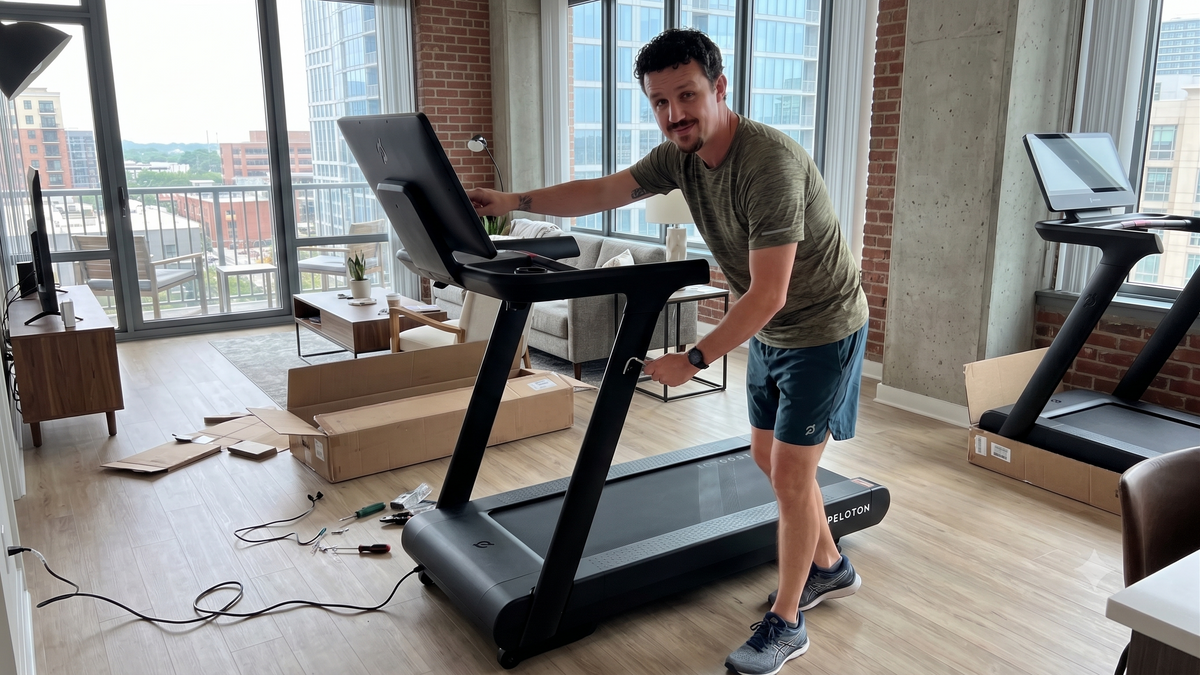
Best Overall: Peloton Tread
Sleek, connected, and offering top-tier interactive coaching with a heavy, stable base that minimizes frame flexing during high-speed runs.
-
Runner-Up: SOLE TT8
Delivers commercial-grade durability, a reinforced frame, powerful motor, and incline/decline controls built for heavy daily training.
-
Best for Tight Spaces & Folding: XTERRA TRX3500
A compact, budget-friendly option featuring a reliable fold-up design without sacrificing essential training features.
The Try-Before-You-Buy & Installation Checklist
When shopping for any treadmill, consider this practical checklist:
-
Deck Comfort: Does the cushioning feel comfortable underfoot?
-
Ergonomics: Do your feet clear the motor housing while running? Can you easily straddle the deck on the side rails?
-
Clearance Space: Ensure you have the standard 77" L x 35" W footprint plus at least 2 feet of clearance on the sides and 6 feet behind the deck for safety.
-
Warranty & Returns: Look for 3 to 7 years on parts, 1 year on labor, and lifetime coverage on the frame and motor. Confirm return shipping fees before ordering online.
The Physics of Noise: Motor Hum vs. Impact Shock
Treadmills generate two distinct types of acoustic and structural energy:
-
Airborne & Structural Motor Noise: The continuous high-RPM hum of the electric drive motor.
-
Impact Shock (The Real Culprit): Every time your foot strikes the deck, kinetic impact travels down through the frame. This low-frequency impact vibration is what causes drywall cracks, rattles light fixtures, and sends boom noise down into lower floors.
Isolating Your Treadmill with Sorbothane® Technology
Sorbothane isolators work effectively across all types of treadmills—from heavy non-folding commercial rigs to compact walking pads. To stop impact shock from shaking your floor, every point of contact where the treadmill touches the ground needs to be isolated.
Because treadmill feet focus a massive amount of concentrated weight into a small surface area, standard soft rubbers can easily slice or bottom out. Follow these guidelines for an effective installation:
1. Use 70 Durometer (Shore OO) Sorbothane
Treadmills generate high-energy kinetic forces. While 30 or 50 Durometer polymers are suited for lightweight electronics, 70 Durometer (Shore OO) Sorbothane provides the exact density required to handle the combined load of the machine and the runner without overcompressing.
2. Calculate Total Weight Loading
Always calculate your total system weight:
Divide that number by the total number of contact feet on your treadmill to choose the correct load capacity per pad.
3. Protect the Polymer from Narrow Feet
Because Sorbothane behaves like a viscoelastic quasi-liquid solid, narrow metal or hard plastic treadmill feet can cut through bare material over time.
-
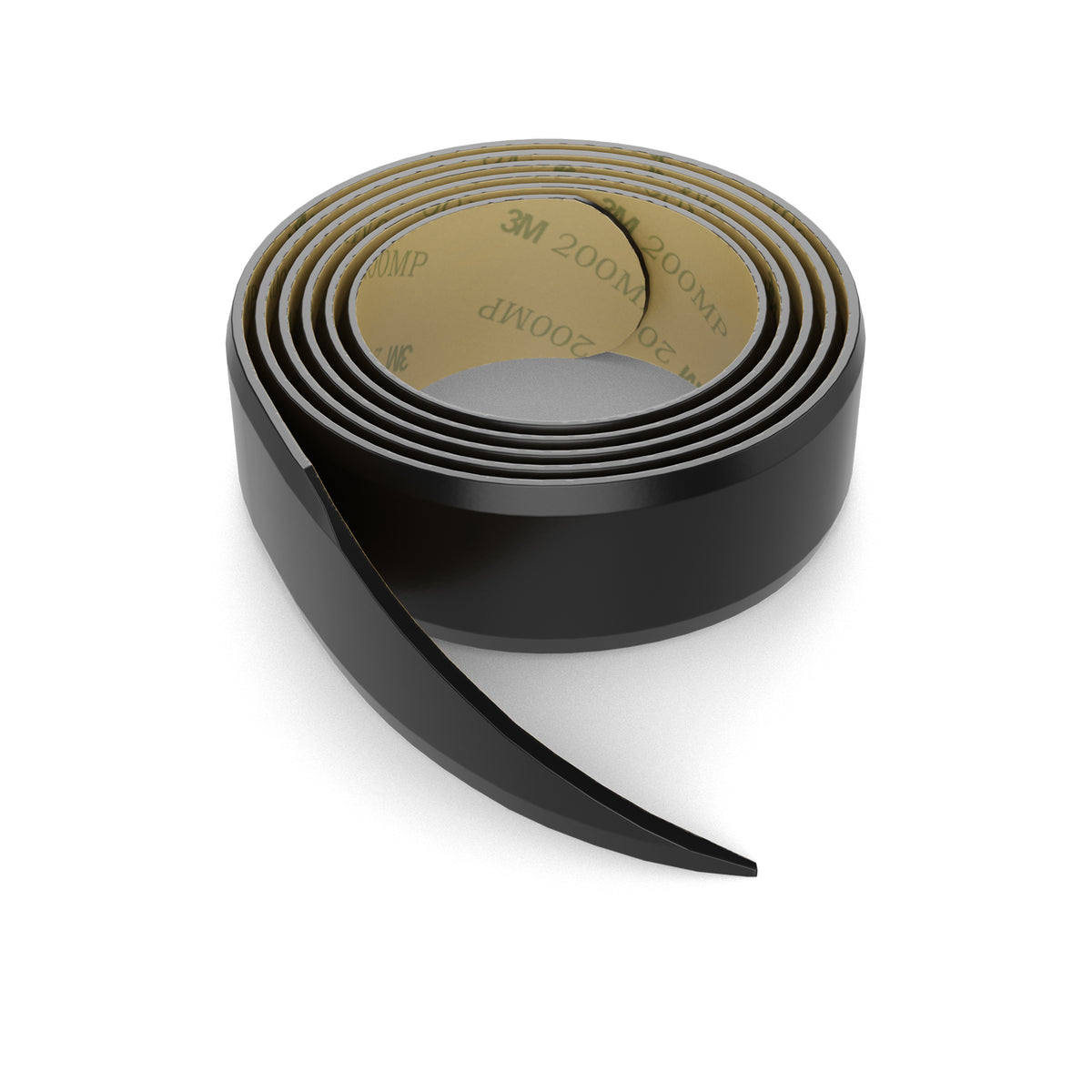
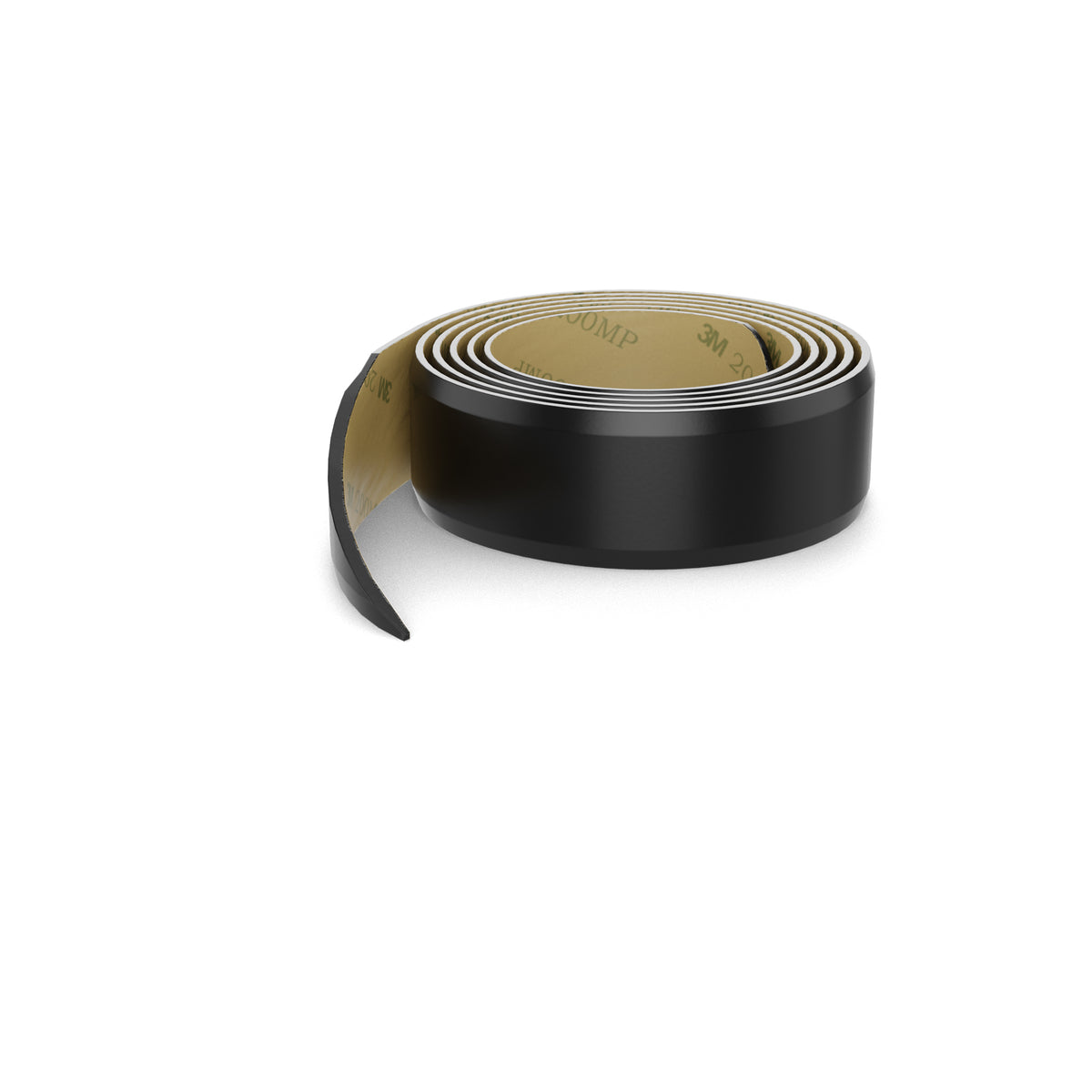
Option A: Use heavy-duty Sorbothane pads featuring an integrated fabric surface layer to resist tearing.
-
Option B: Place a hard cap (a small piece of wood or stiff plastic) on top of the Sorbothane pad to distribute the point load evenly.
4. Choose Silent Feet for Easy Moving & Sliding
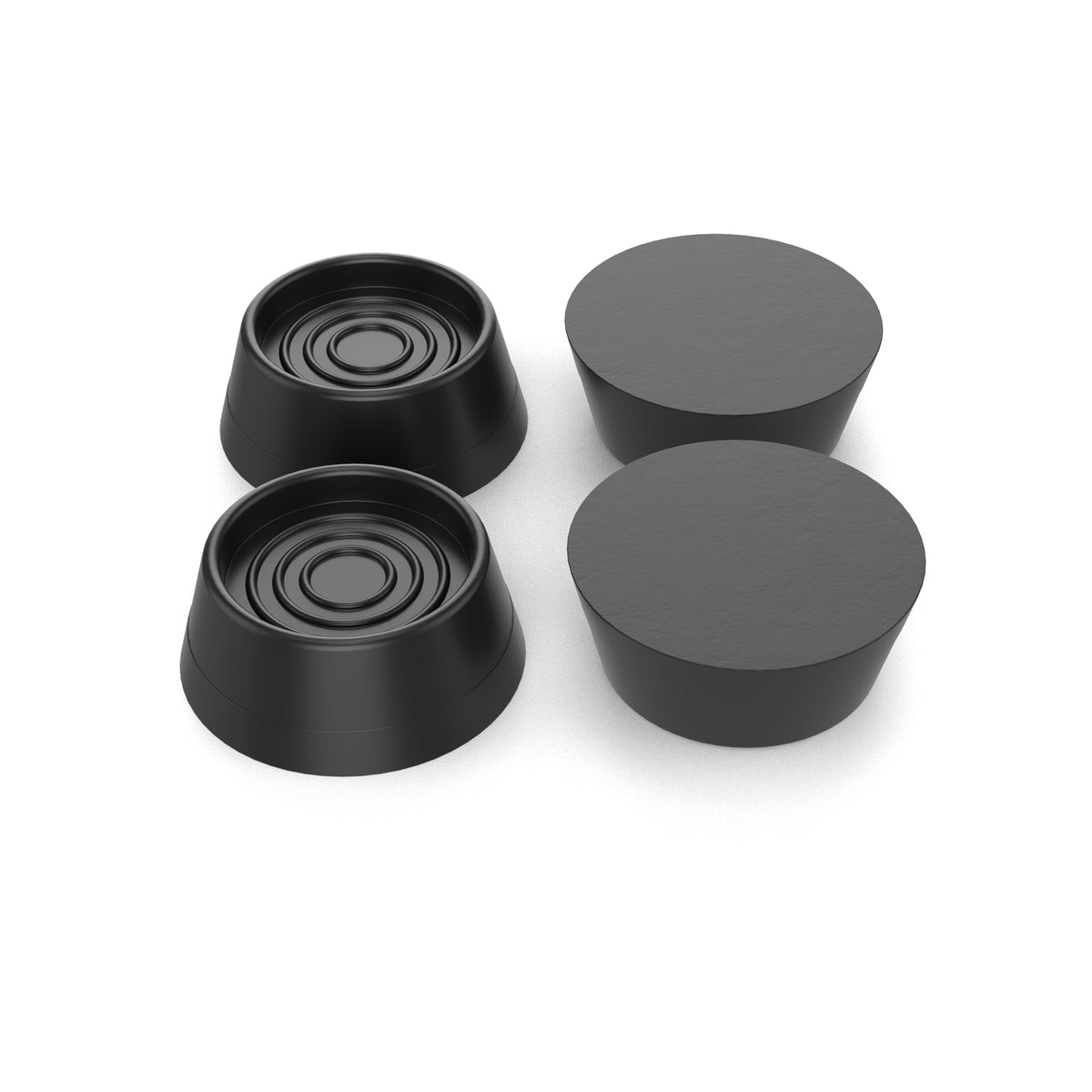
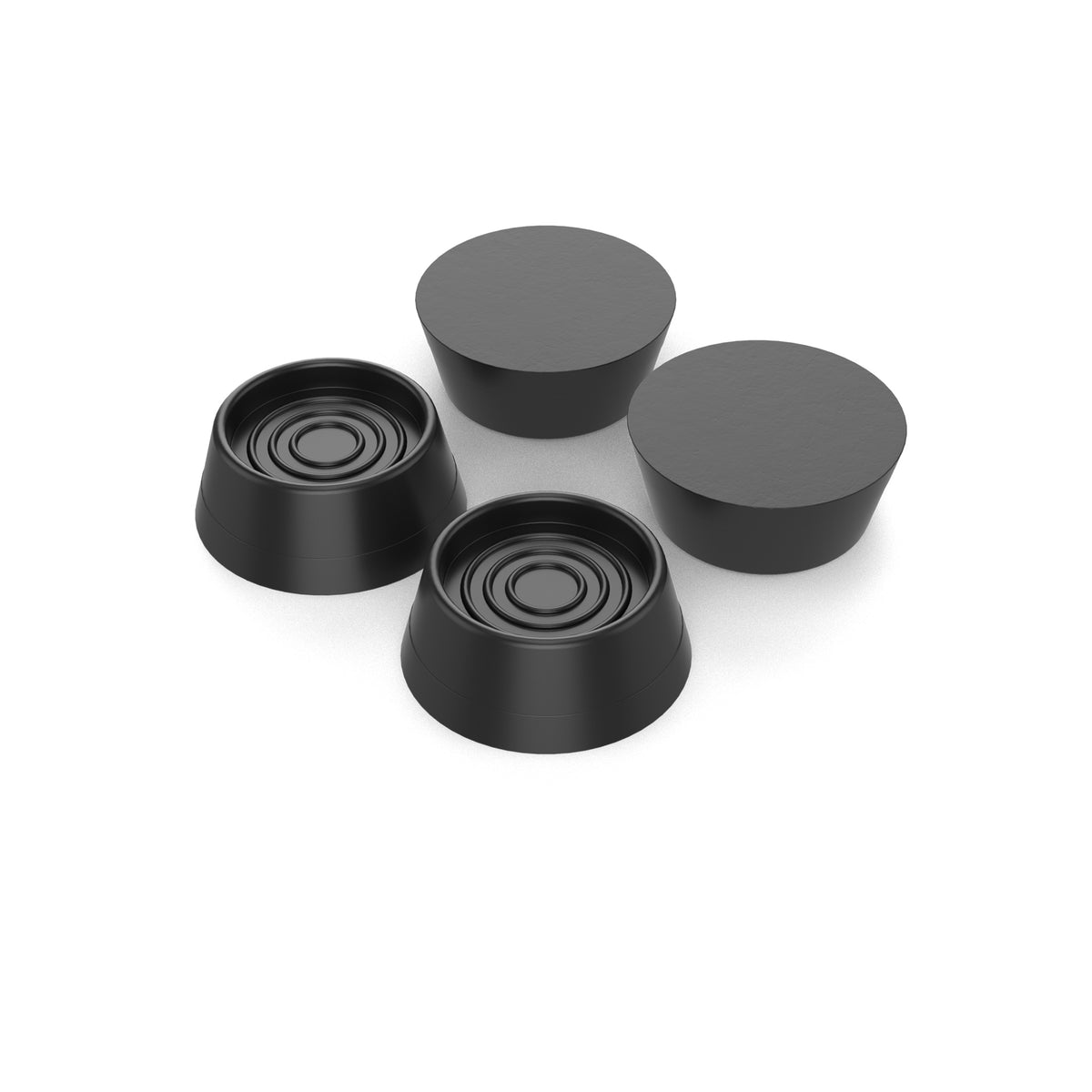
If you regularly move, reposition, or fold and slide your treadmill across the floor, Silent Feet for Washing Machines or Silent Feet for Beds are the ideal solution.
Silent Feet feature molded high-density Sorbothane inside a durable plastic cap, fitted with a low-friction fabric backing on the bottom. This specialized fabric layer allows you to easily slide heavy treadmills across smooth hard floors and low-pile carpets without scratching the surface or tearing the isolation pad underneath.
The Bottom Line
You don't need to rebuild your floor joists or give up indoor running to keep the peace. By properly sizing 70 Durometer Sorbothane or Silent Feet pads under every contact point of your treadmill, you swallow the impact shock right at the source—keeping your workout smooth, safe, and silent.
Onward to a quieter workout!