
Hey everyone, Ian here.
In the world of high-end audio and industrial isolation, we often see new materials claiming to be the "Sorbothane Killer." Recently, our friends over at another Hi-Fi supplier have been promoting their Platinum Silicone isolators, claiming they isolate more vibration and last longer than Sorbothane®.
As a polymer engineer, I love a good material showdown. Let’s look at the actual molecular science to see which material truly earns its place under your gear.
What is "Platinum Silicone," anyway?
First, let's demystify the name. "Platinum Silicone" isn't a new metal-polymer hybrid. The "Platinum" refers to the catalyst used to cure the silicone.
Most industrial silicone is "peroxide-cured," which can leave behind chemical byproducts and a slight "bloom" or residue. Platinum-cured silicone is higher quality; it’s purer, has better tear strength, and is more stable over time. It is a fantastic material for medical-grade tubing and kitchen spatulas, but when it comes to vibration damping, it has a fundamental limitation.
The Comparison: Damping vs. Isolation
To understand the difference, we have to look at how these materials store and release energy.
1. Viscoelasticity (The Sorbothane Edge)
Sorbothane® is a viscoelastic polymer. This means it behaves like both a liquid (it absorbs energy) and a solid (it returns to its shape). When vibration hits Sorbothane, it is converted into heat at a molecular level. The energy is effectively "killed."
Silicone is primarily elastic. While it is a good isolator (it acts like a very soft spring), it doesn't have the same high damping coefficient (Tan Delta) as Sorbothane. This means silicone can actually "store" energy and rebound it back into your system, whereas Sorbothane dissipates it.
2. The "Residue" Argument
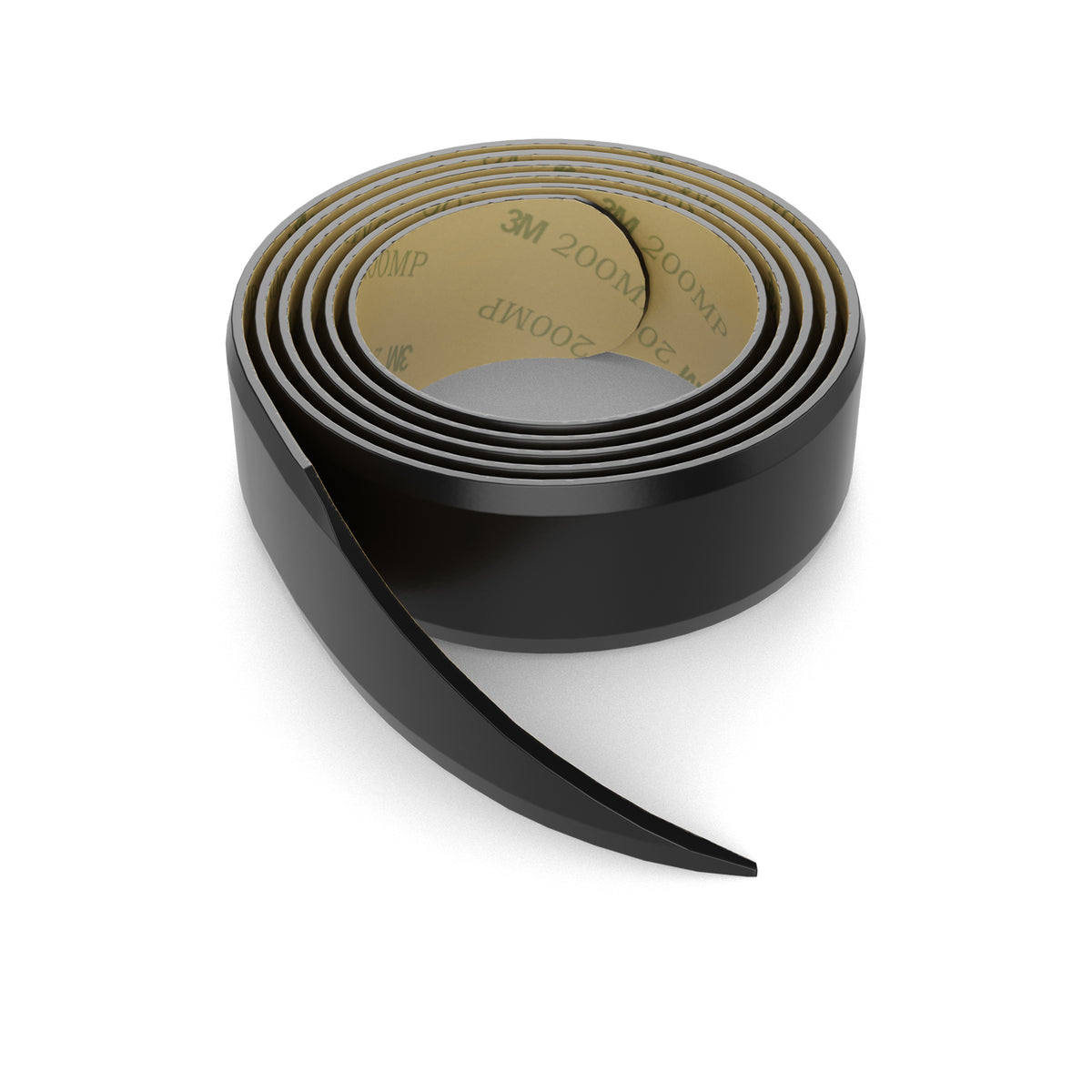
It has been correctly pointed out that raw Sorbothane can sometimes leave a "black residue" or oil mark on delicate surfaces. This happens because Sorbothane contains plasticizers that can migrate over years of high-pressure contact.
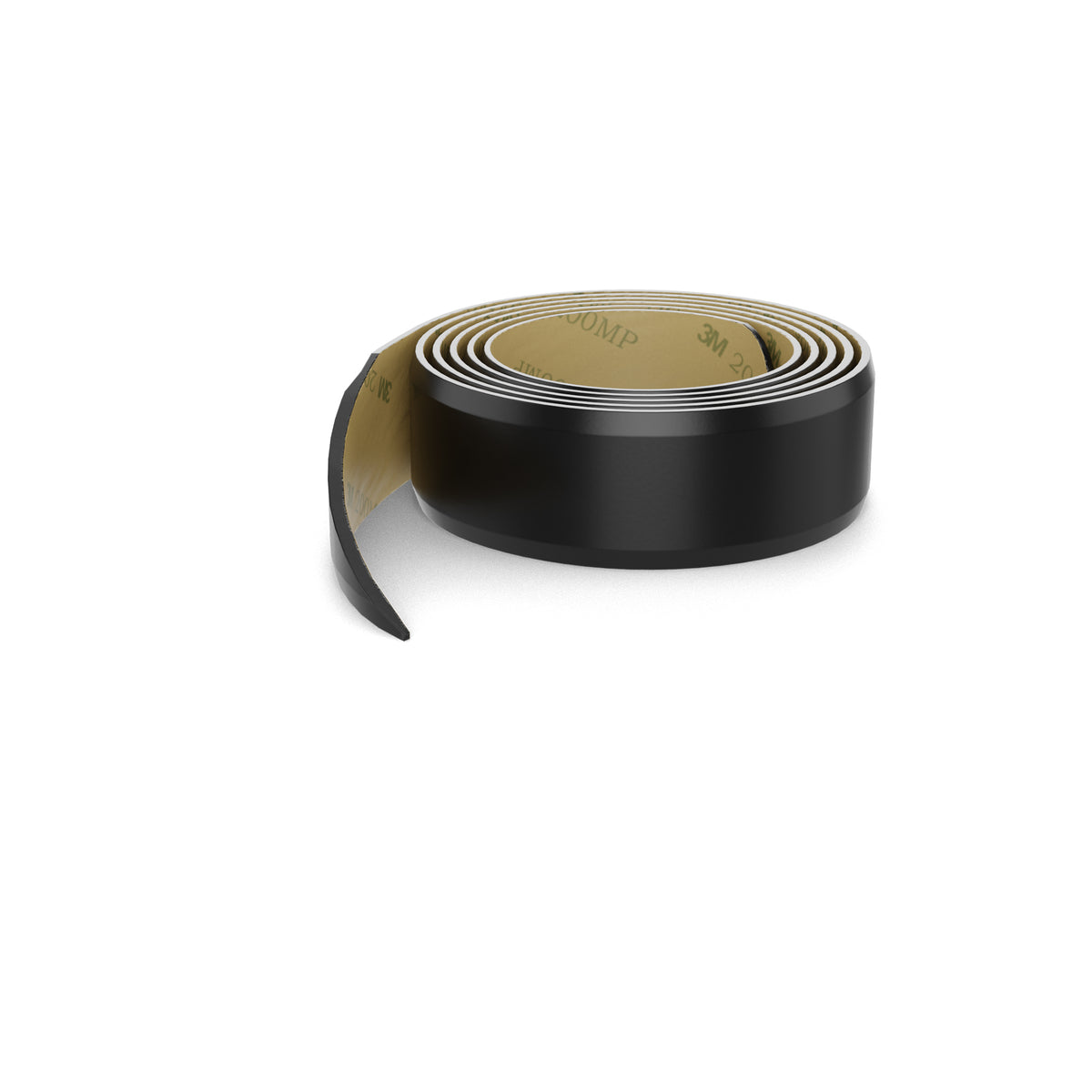
Our Solution: This is exactly why we offer our Urethane-Coated Sorbothane. By adding a thin layer of urethane, we provide the world-class damping of Sorbothane with the "clean" properties of silicone. You get the best of both worlds.
3. Temperature and Longevity
Silicone is the king of extreme temperatures (-40°C to 240°C). If you are isolating a component inside a jet engine or a commercial oven, use silicone. However, in a home or data center environment (typically 15°C to 40°C), Sorbothane is perfectly stable and has a fatigue life measured in millions of cycles.
The Technical Scorecard
|
Feature |
Sorbothane® (Isolate IT) |
Platinum Silicone (Competitor) |
|---|---|---|
|
Primary Mechanism |
Viscoelastic Damping (Energy Absorption) |
Elastic Isolation (Spring-like) |
|
Damping Coefficient |
Extremely High (Converts kinetic to heat) |
Moderate (Higher rebound) |
|
Shock Absorption |
Up to 94.7% |
High, but lower energy dissipation |
|
Surface Protection |
Urethane-coated options available |
Inherently non-marking |
|
Best Use Case |
Precision Audio, Aerospace, AI Compute |
High-heat environments, General non-skid |
The Verdict
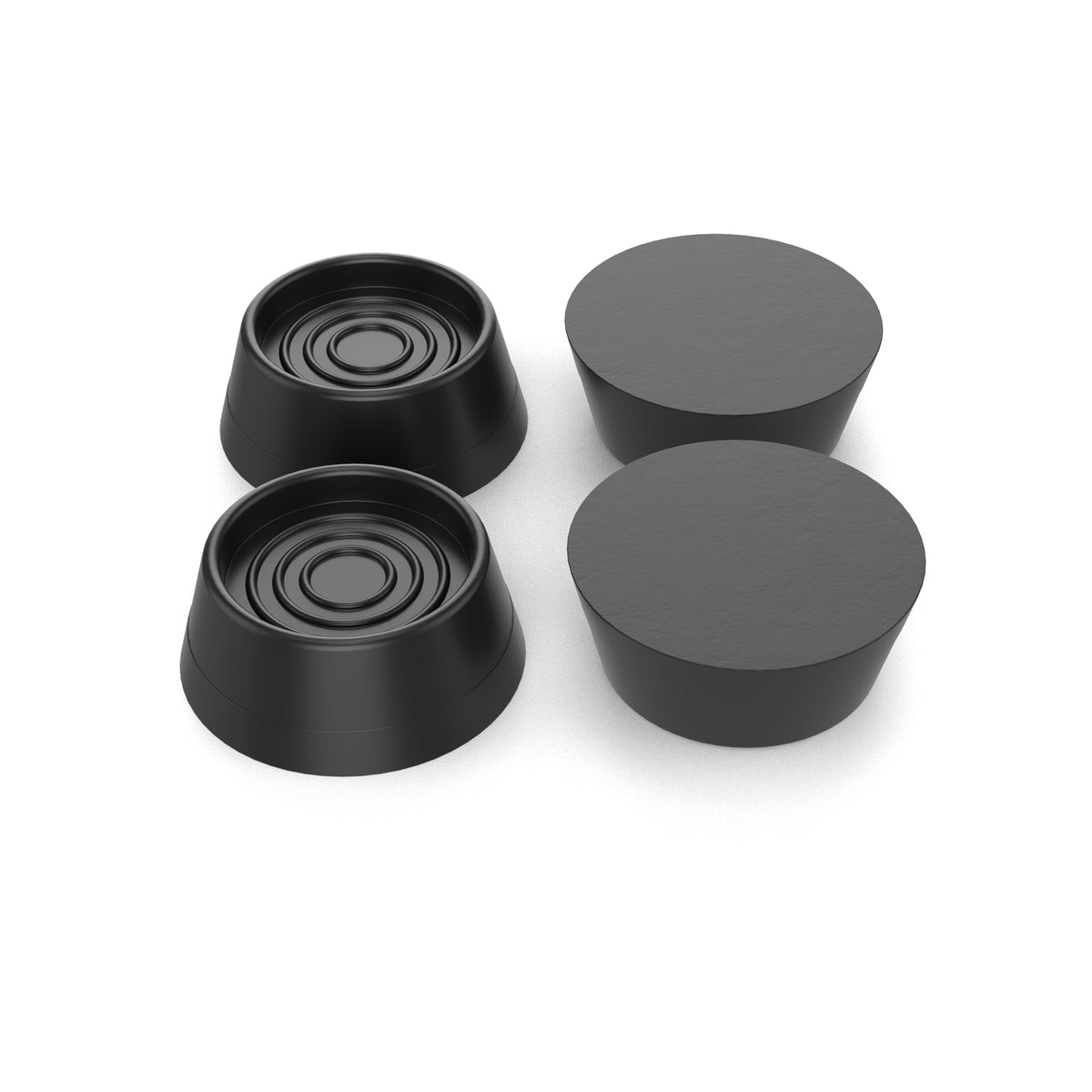
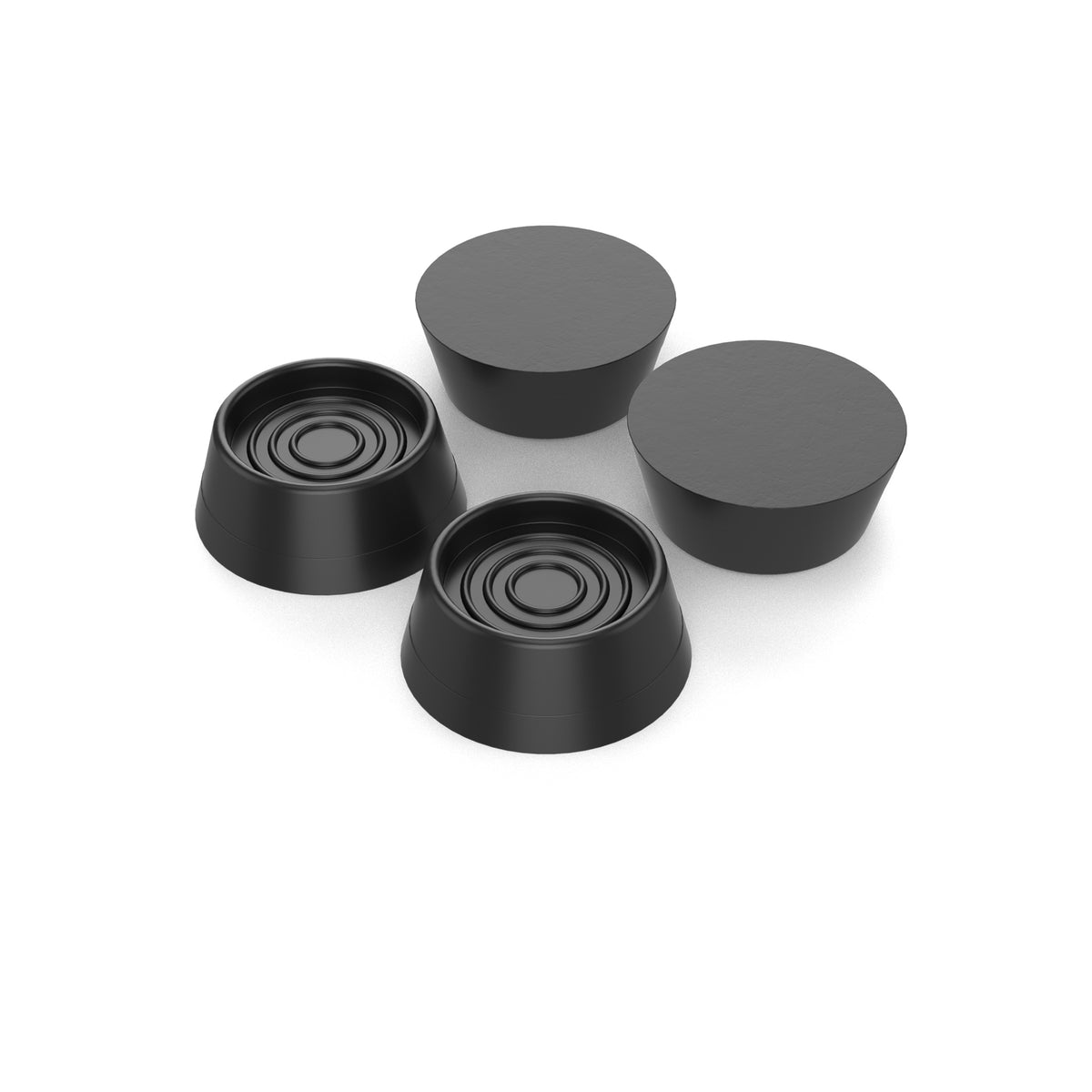
Platinum Silicone is a solid choice for a non-skid bumper or a basic isolation foot. It’s clean, durable, and affordable.
However, if your goal is maximum fidelity—if you want to stop a turntable needle from jumping or prevent an AI server from losing data due to resonance—there is no substitute for Sorbothane. Silicone blocks the path of vibration, but Sorbothane swallows the energy whole.
Don't settle for a spring when you need a sink.
Questions about which durometer is right for your specific gear? Drop a comment below!