
Hey everyone, Ian here.
While the world is focused on the massive power requirements and cooling challenges of the AI revolution, hardware engineers are quietly battling a different kind of "noise": Micro-vibrations.
As we move toward "Superclusters" powered by the latest high-density GPU architectures (like NVIDIA’s Blackwell series), the physical environment of the data center is becoming increasingly hostile. Today, we’re going to look at why vibration is the next big hurdle for AI infrastructure and how Sorbothane® is being designed into the next generation of server racks.
The Anatomy of the Shiver: What Causes Data Center Vibration?
In a modern AI data center, vibration isn't caused by a single event; it's a cumulative effect of hundreds of thousands of components working in concert.
-
High-RPM Cooling Fans: To keep a 700W+ GPU from melting, cooling fans have to spin at incredibly high speeds. When you have dozens of these fans in a single rack, they create a high-frequency "buzz." If these fans aren't perfectly balanced, they generate centrifugal forces that travel through the chassis.
-
Resonance Drift: This is a phenomenon where the individual vibrations of multiple components eventually "sync up" at a specific resonant frequency. This can cause the entire server rack to act like a tuning fork, amplifying vibrations that were previously negligible.
-
Liquid Cooling Pumps: As we shift toward liquid-to-chip cooling, we are introducing mechanical pumps into the rack environment. These pumps create low-frequency pulsations in the coolant lines that can resonate through the mounting hardware.
-
Acoustic Energy: The sheer volume of air moving through a data center creates acoustic pressure. This sound energy can physically vibrate the thin metal panels of the server enclosures, leading to "chatter" at the component interfaces.
Where It Hurts: The Impact on Performance
Why should a software company care about a vibrating rack? Because physics always has the final say on data throughput.
-
HDD and Optical Storage: For traditional spinning disks, vibration is catastrophic. Even a tiny amount of movement can cause the read/write head to lose its "track registration," leading to retries, latency, and decreased IOPS (Input/Output Operations Per Second).
-
High-Speed Interconnects: At the speeds of PCIe Gen 6 and InfiniBand, the physical alignment of connectors is critical. Micro-vibrations can cause "fretting corrosion" at the contact points or temporary signal degradation, increasing Bit Error Rates (BER) and forcing the system to down-clock its communication speed.
-
Optical Transceivers: Modern data centers rely on silicon photonics. Laser-to-fiber alignment is measured in nanometers. Continuous micro-vibration can cause slight misalignments that lead to packet loss in the backbone of the AI cluster.
The Sorbothane® Advantage: Converting Vibration to Heat
Standard rubber or silicone "bumpers" are often inadequate for data center environments because they are primarily elastic. They store vibration energy and bounce it back into the system.
Sorbothane® is a viscoelastic polymer. It behaves like both a liquid and a solid. When the high-frequency energy of a cooling fan enters a Sorbothane® gasket, the material deforms at a molecular level. This converts up to 94.7% of that mechanical energy into a tiny, negligible amount of heat.
By using Sorbothane, engineers aren't just "muffling" the noise—they are creating an energy sink that permanently removes the vibration from the environment.
Engineering Design Recommendations
For engineers designing the next generation of AI racks, we recommend a "layered" isolation strategy:
1. Component-Level: Fan and Pump Gaskets
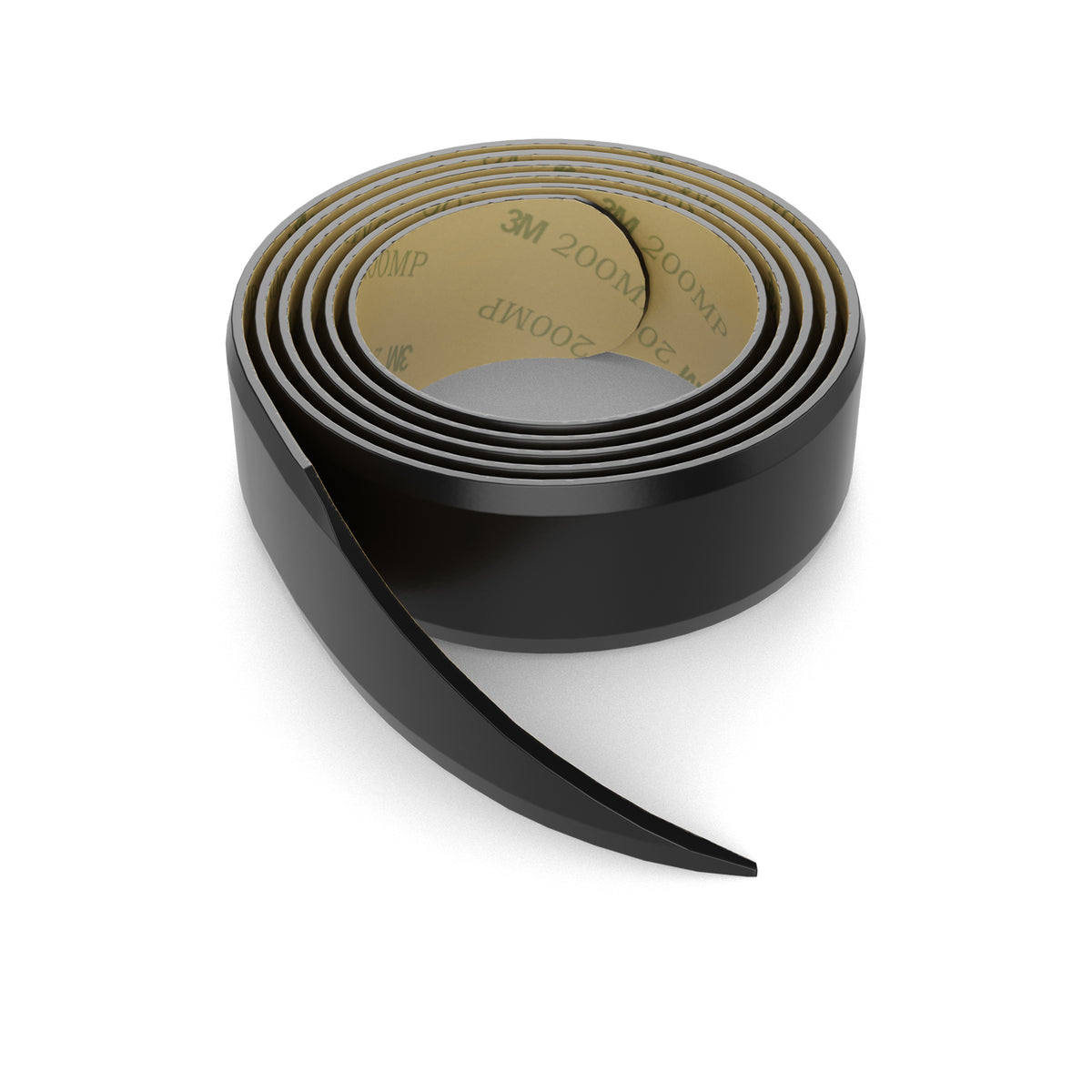
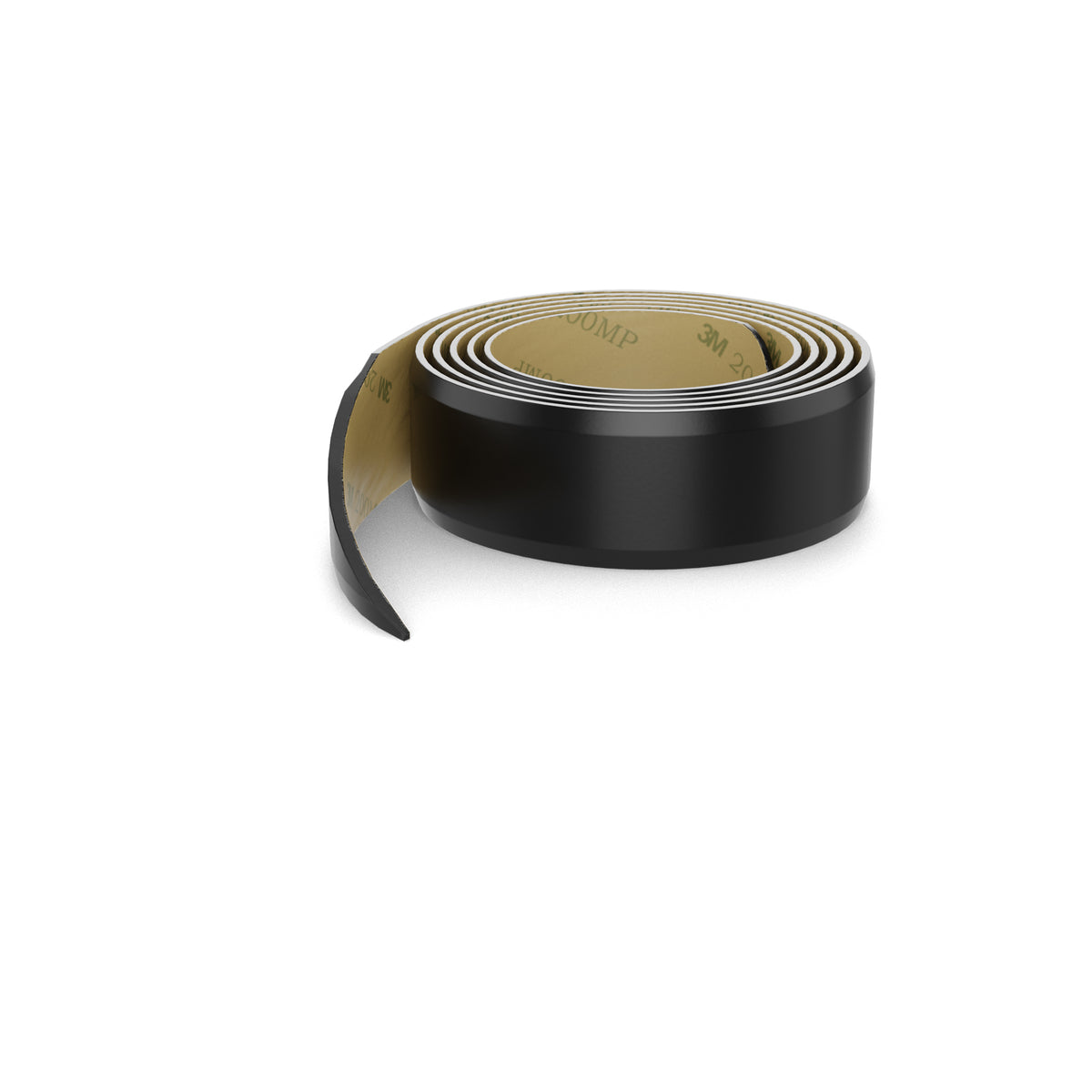
Don't bolt fans directly to the chassis. Use 1/16" or 1/8" 70 Durometer Sorbothane® gaskets between the fan housing and the server frame. This stops the vibration at the source before it ever enters the rack's "skeleton."
2. Chassis-Level: Rail Isolation
For the high-density GPU trays, integrate Sorbothane® strips into the sliding rail kits. This ensures that the vibration from Tray A doesn't travel through the rack to interfere with Tray B.
3. Rack-Level: The "Floating" Base
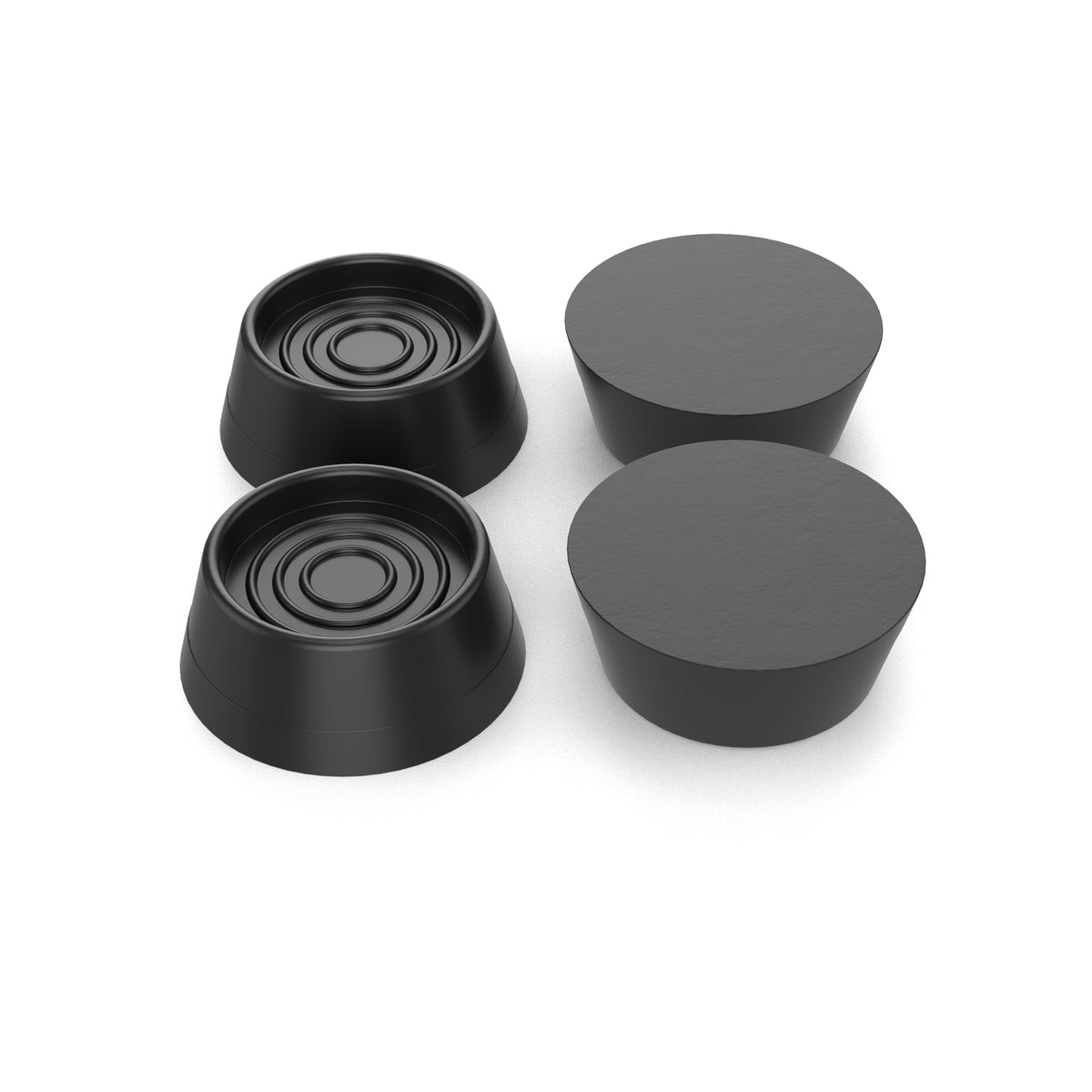
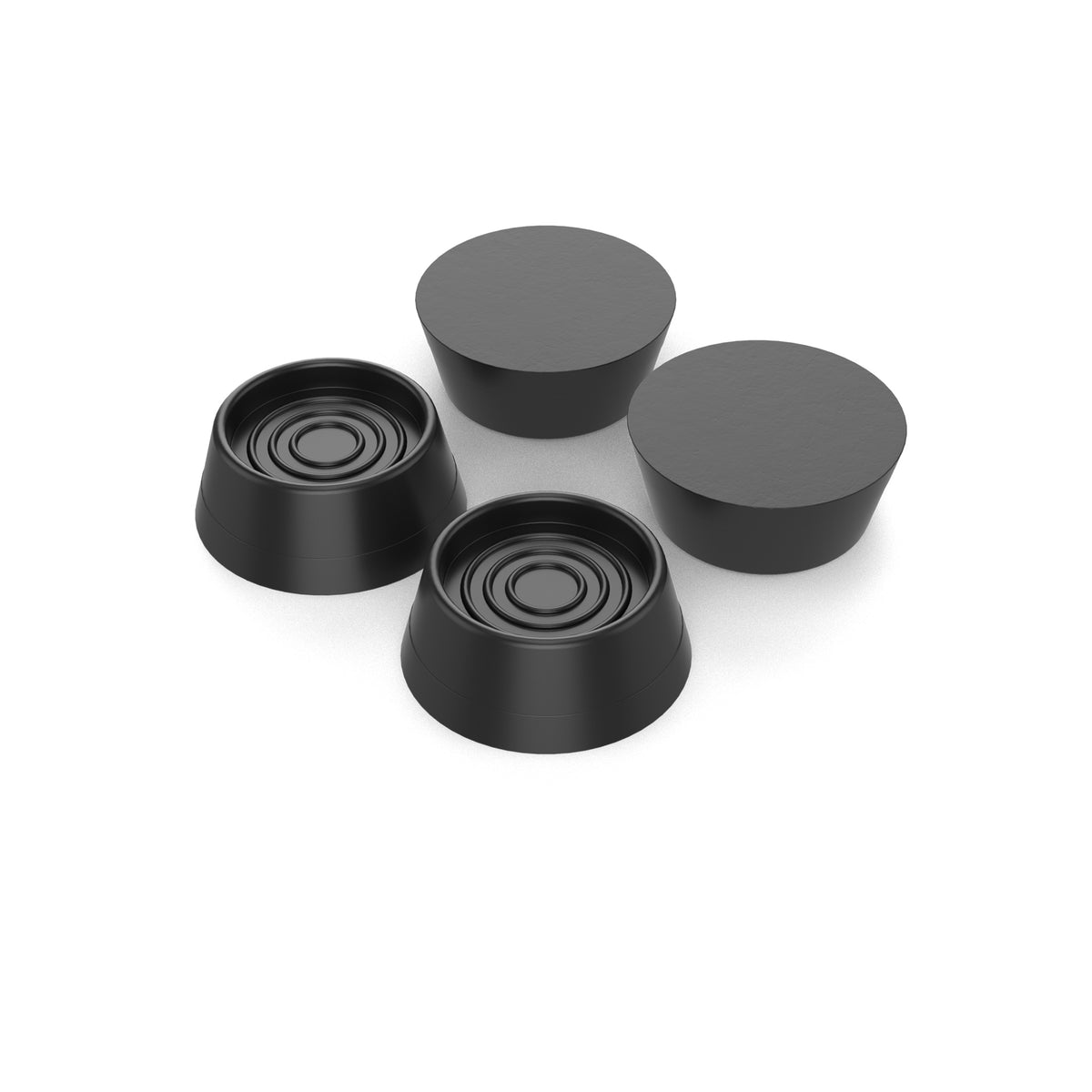
For mission-critical clusters, we recommend "floating" the entire 2,000lb+ rack. Use our custom-molded Sorbothane Isolation Feet designed for high-load capacity. This decouples the compute cluster from the data center floor, protecting it from building-wide vibrations (like those from massive HVAC chillers or nearby traffic).
4. Material Selection: Coating and Durability
In data centers, cleanliness is key. We recommend using our Urethane-coated Sorbothane. This provides a smooth, non-tacky surface that prevents dust accumulation and ensures that the material doesn't react with the finishes on the server racks over its 10+ year service life.
Conclusion
As AI models grow, the hardware must become more precise. We can no longer afford to let mechanical "noise" degrade our compute efficiency. At Isolate IT, we are proud to be the silent partners behind the world's most powerful clusters, providing the material science needed to keep the AI revolution running smooth and steady.
Are you designing high-density hardware? Reach out to our engineering team for custom durometer testing and CAD files for your next project.