
Hey everyone, Ian here!
The landscape of home audio has changed more in the last decade than in the previous forty years. We’ve moved from massive stacks of amplifiers and tangled wires to sleek, "smart" bookshelf speakers that can fill a room with sound using nothing but a power cord and Wi-Fi (or Bluetooth).
But as these compact speakers get more powerful, they run into a classic physics problem: Resonance. Today, we’re going to talk about how to pick the right smart speaker and—more importantly—how to make sure it sounds its best by "floating" it on Sorbothane®.
The Evolution of the Smart Speaker
When the first smart speakers arrived, they were great at telling you the weather or setting a 2-minute egg timer, but they weren't exactly "Hi-Fi." That changed with heavy hitters like the Amazon Echo Studio, the Sonos One, and the legendary Google Home Max.
Suddenly, smart speakers weren't just assistants; they were high-priority audio devices. This tech has trickled down into affordable favorites like the latest Amazon Echo and Google Nest Audio, which offer a marked improvement in sound quality over their predecessors.
The Problem: Why You Must "Decouple" Your Speakers
Here is the dirty secret of bookshelf speakers: The shelf is part of the speaker.
When your speaker sits directly on a hard surface—a desk, a bookshelf, or a kitchen counter—the vibrations from the speaker cabinet travel directly into that surface. Your furniture then becomes a "sympathetic resonator." It vibrates along with the music, adding "muddy" bass, rattling your décor, and smearing the clarity of the mids and highs.
To hear what the artists actually intended, you have to decouple the speaker. You need to break that physical connection so the speaker vibrates, but the house doesn't.
The Sorbothane® Solution: Floating Your Audio
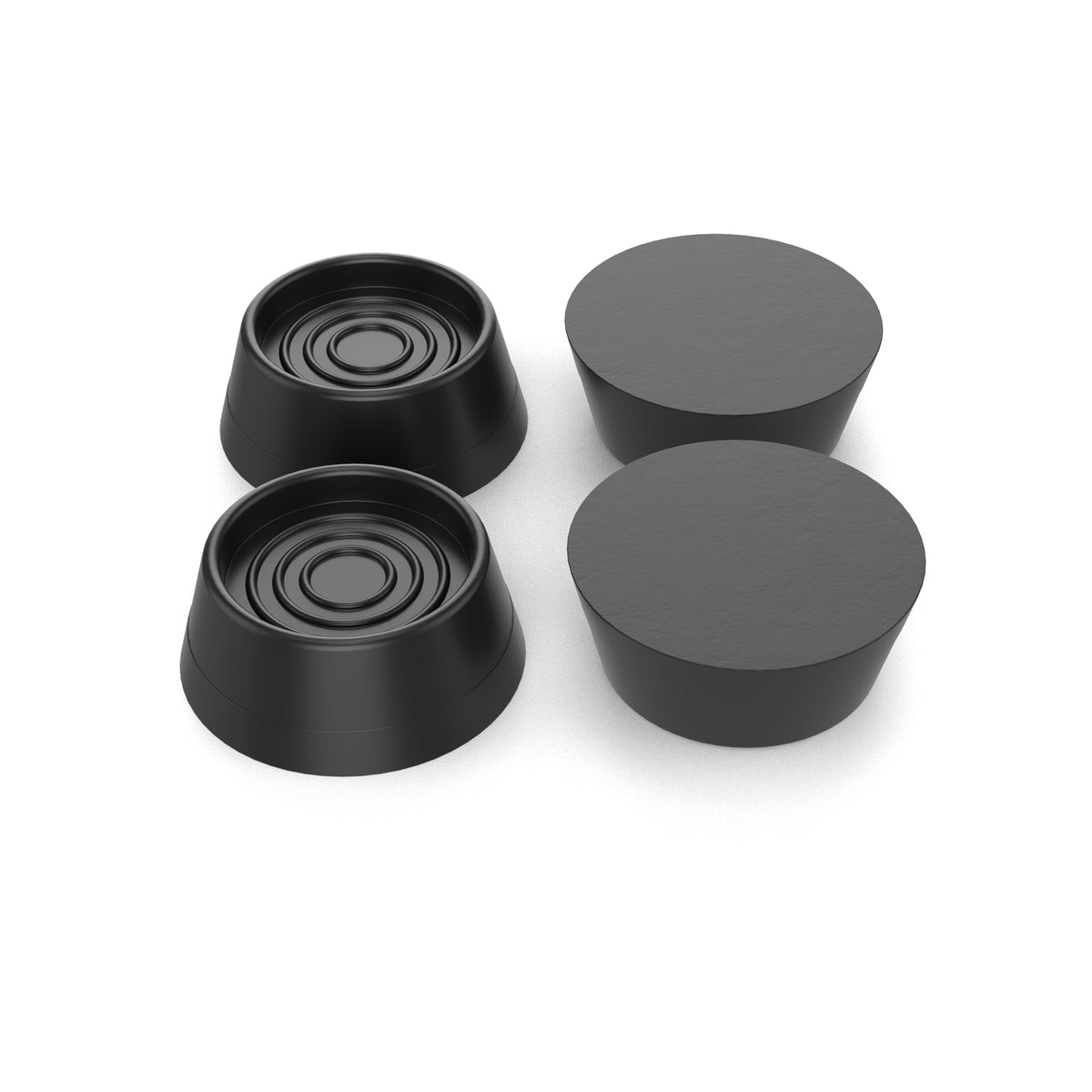
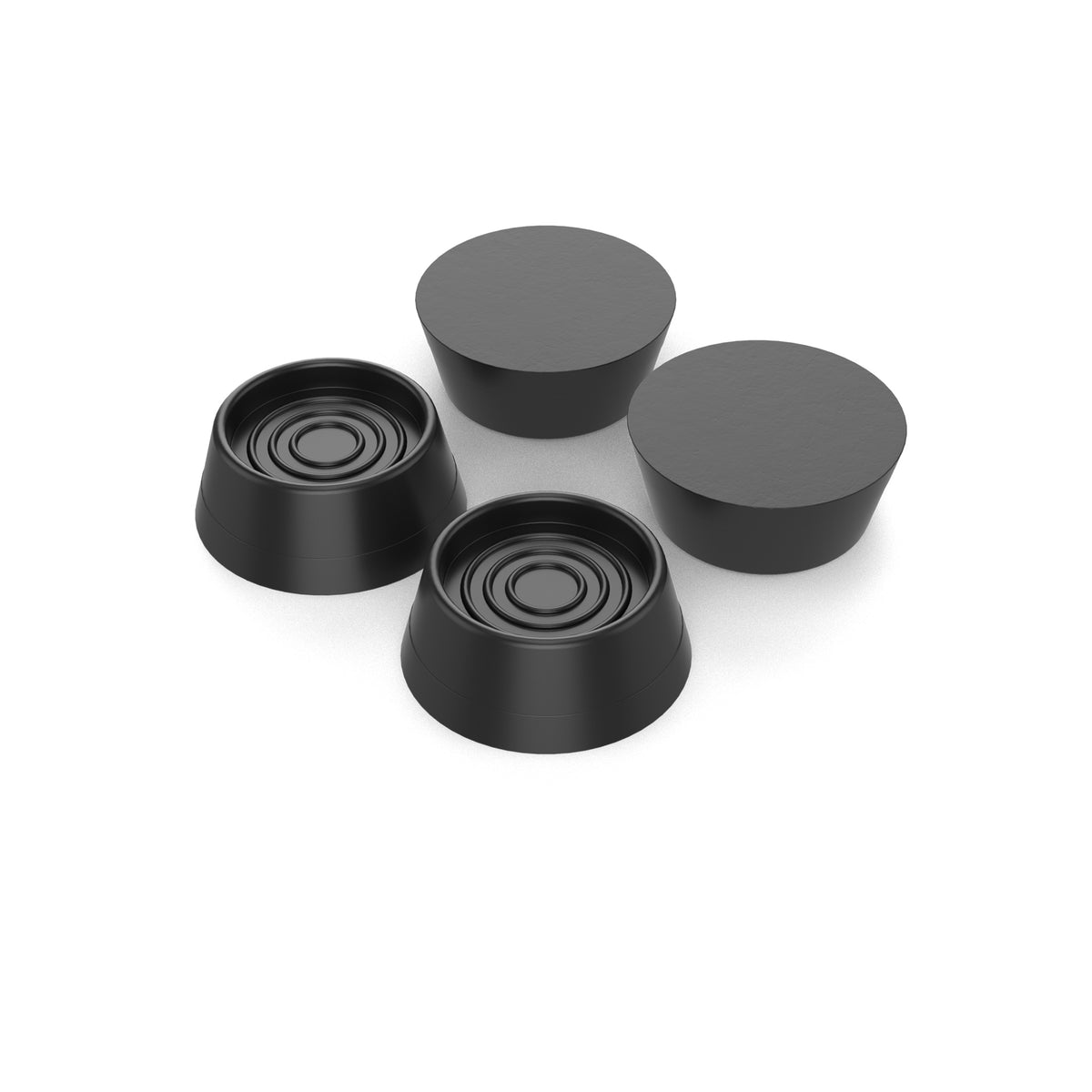
Our Sorbothane® Hemispheres are the gold standard for speaker decoupling. They act as an "energy sink," absorbing the cabinet vibration before it ever touches your furniture.
1. How to Pick the Perfect Set
We offer hemispheres in a wide range of diameters and "durometers" (softness). To get a perfectly "floated" speaker, you need to match the weight to the material:
-
Step 1: Find the weight of your speaker (check the manual or use a kitchen scale).
-
Step 2: Divide that weight by 4 (the number of hemispheres you'll use). You can use 3 for some round speakers.
-
Step 3: Visit our Sorbothane Bumper Collection and find a hemisphere where your per-foot weight falls within the "Load Rating" range.
2. Protect Your Surfaces
If you are placing your speakers on finished wood or delicate surfaces, we highly recommend our Urethane-coated option. This invisible coating is available on all our hemisphere sizes and prevents the Sorbothane from reacting with or marking your furniture.
3. Installation in 60 Seconds
-
Clean the bottom of your speaker with a little rubbing alcohol.
-
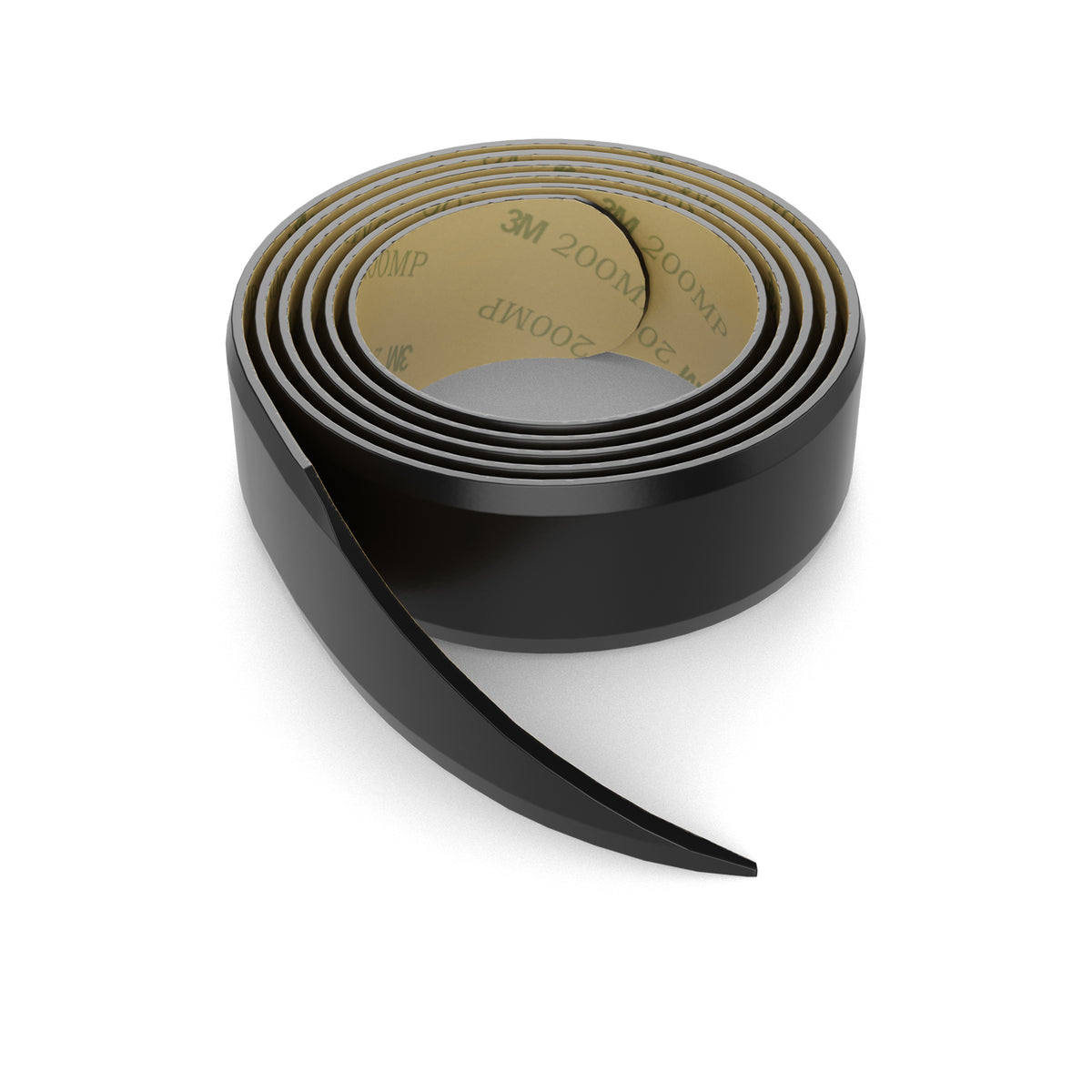
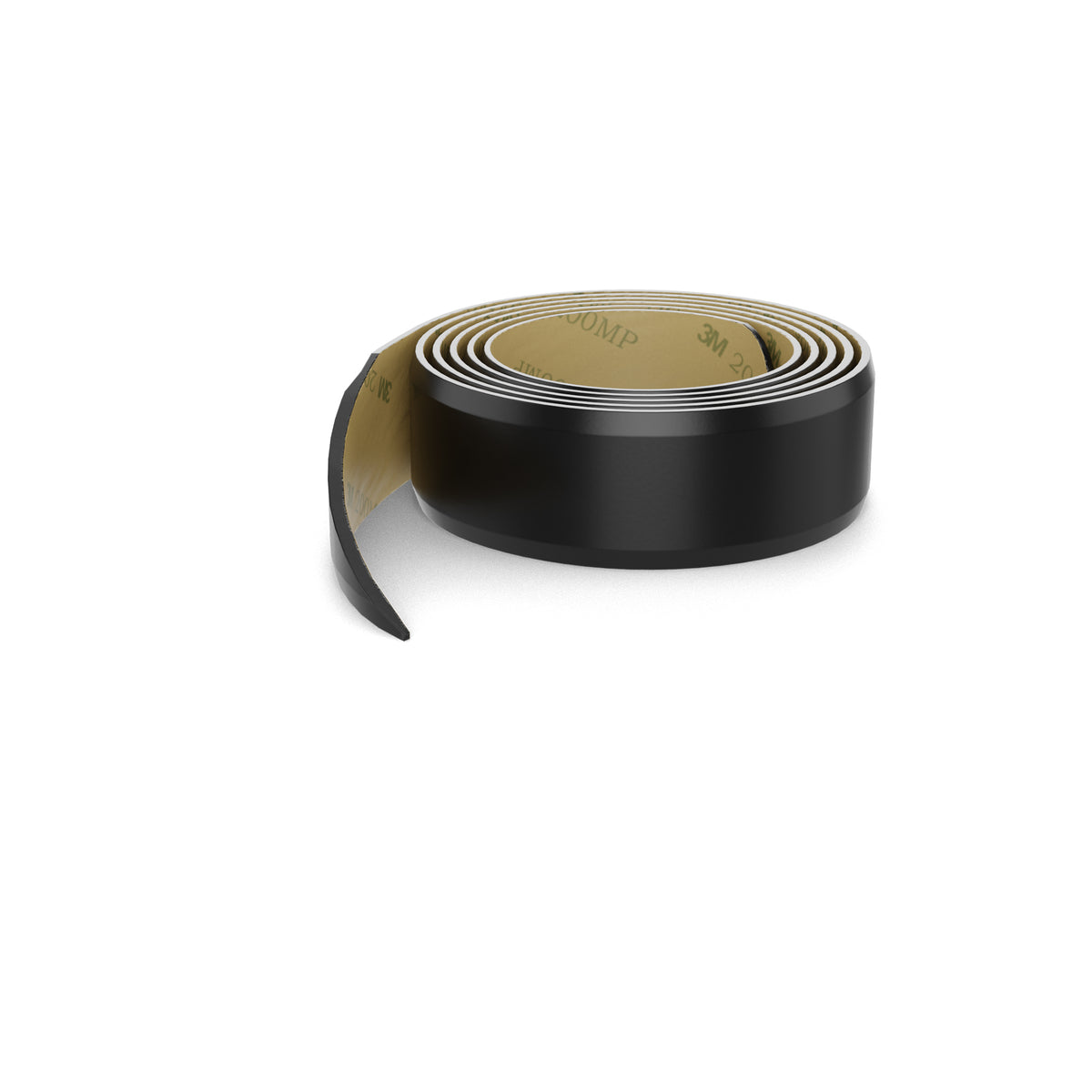
Peel the 3M PSA (adhesive) backing off the hemisphere.
-
Apply them to the corners of the speaker, as close to the edges as possible for maximum stability.
Choosing Your Ecosystem: What You Need to Know
If you're still deciding which speaker to buy, remember that you’re choosing a digital "pack."
-
The Big Three: You’ll need to decide between Amazon (Alexa), Google (Assistant), or Apple (Siri).
-
The "Brains" are in the Cloud: A $50 Echo Dot is just as "smart" as a $350 Bose speaker because the AI lives on remote servers. You’re paying more for better drivers, better amplifiers, and better acoustics—not a higher IQ.
-
The Pro-Tip Hack: If you already own a fantastic-sounding "dumb" speaker (like an Edifier S1000MKII), you can make it smart by simply pairing it with an inexpensive Echo Dot or Nest Mini. You get audiophile sound with voice control.
Recommended Models for 2025
Whether you want a fully integrated smart speaker or a traditional wireless setup, here are the models our team (and our ears) recommend:
Top-Tier Smart Audio (Best Integration)
-
The Heavy Hitters: Sonos Era 300, JBL Authentics 500, Apple HomePod (2nd Gen).
-
Portable & Rugged: Sonos Move II, Bose Portable Home.
-
Great Value: Amazon Echo (4th Gen), Google Nest Audio, Sonos Era 100.
Traditional Wireless (Best Pure Sound)
If you want the best possible audio and don't mind using a separate app or a small smart-plug-in:
-
The Audiophile Choice: Kanto TUK, Edifier S2000MKIII, Sonos Five, Klipsch The Sevens 6.5.
-
Studio Precision: PreSonus Eris 3.5BT or 5BT (2nd Gen), AirPulse A100.
-
Room Fillers: Marshall Woburn III, Denon Home 350, Fluance Fi70.
Final Thoughts
Your speakers are capable of incredible detail, but they can't do their job if they're fighting your furniture. For less than $30, a set of Sorbothane hemispheres can unlock the true potential of your smart audio setup.
What's on your playlist today? Let us know in the comments which speakers you're rocking!