High-RPM routing is a remarkable capability for any workshop, but the harmonic frequencies generated by 20,000+ RPM spindles can quickly turn a productive afternoon into a vibration-heavy challenge. As the maker movement continues to evolve, we’re seeing a significant split in how creators approach CNC carving: some opt for vertical scale, while others prioritize extreme desktop precision.
Here is a look at two standout machines, the software driving them, and how to keep them from vibrating your tools right off the workbench.
The Contenders: Maslow vs. Milo
The Maslow Vertical CNC Router
The Maslow CNC has always been a disruptor in the space. While most CNC routers require a massive 4x8-foot footprint on a shop floor, the Maslow hangs vertically. It uses a unique chain-driven system to move its "sled" across a sheet of plywood.
-
The Benefit: Ideal for large-scale makers (furniture, signage) who are working in a space-constrained shop.
-
The Challenge: Because the sled is relatively light compared to a heavy industrial gantry, managing motor vibration is critical for maintaining clean edge quality and preventing chatter.
The Milo V1.5 Desktop CNC Mill
If the Maslow is built for scale, the Milo V1.5 is designed for surgical precision. Born from the Millennium Machines open-source project, the Milo is a compact, fixed-gantry mill that brings industrial-grade rigidity to a desktop environment.
-
The Benefit: Perfect for intricate wooden components, detailed engravings, or light non-ferrous metal work.
-
The Challenge: High-precision mills are incredibly sensitive to table resonance. If your mounting surface isn't isolated, the vibration can translate directly into the finished surface of the part.
The Brains: VCarve 12 CAM Software
Efficiency begins with software. Even the most robust motors can struggle if toolpaths are poorly optimized. Vectric’s VCarve 12 has become a gold standard for woodcarvers. It handles everything from simple 2D profile cuts to complex 3D carvings. The latest version is particularly effective at managing "feed and speed" optimizations that minimize the initial load on your motors—the first line of defense against workshop noise.
The "Silent Engineering" Upgrades
Physics is unavoidable: a spinning motor is a vibration generator. To achieve industrial-level performance, you need to manage that energy. For a deeper technical look at how different materials handle these forces, this guide on shock-absorbing materials in CNC machining provides an excellent breakdown of the physics involved.
Here is how to apply those principles using Isolate IT materials:
1. Motor Decoupling with Sorbothane Bushings
High-RPM motors transmit high-frequency "whine" directly into the chassis. By using Sorbothane Bushings at the mounting points where your motors meet the frame, you "decouple" the energy. This prevents the gantry from acting like a resonator, significantly reducing audible noise and preventing "ghosting" marks in the wood.
2. Shop Floor Isolation with Sorbothane Hemispheres
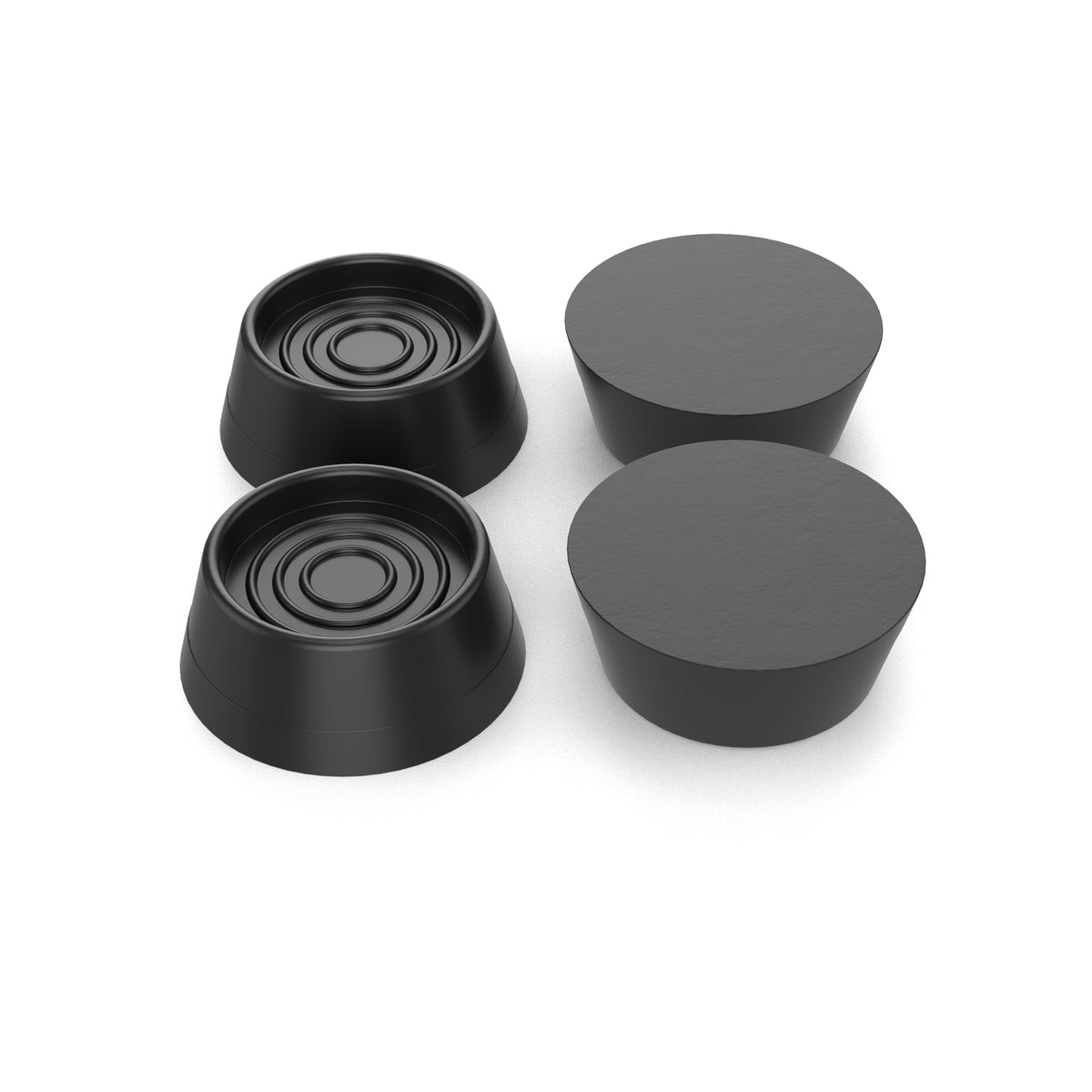
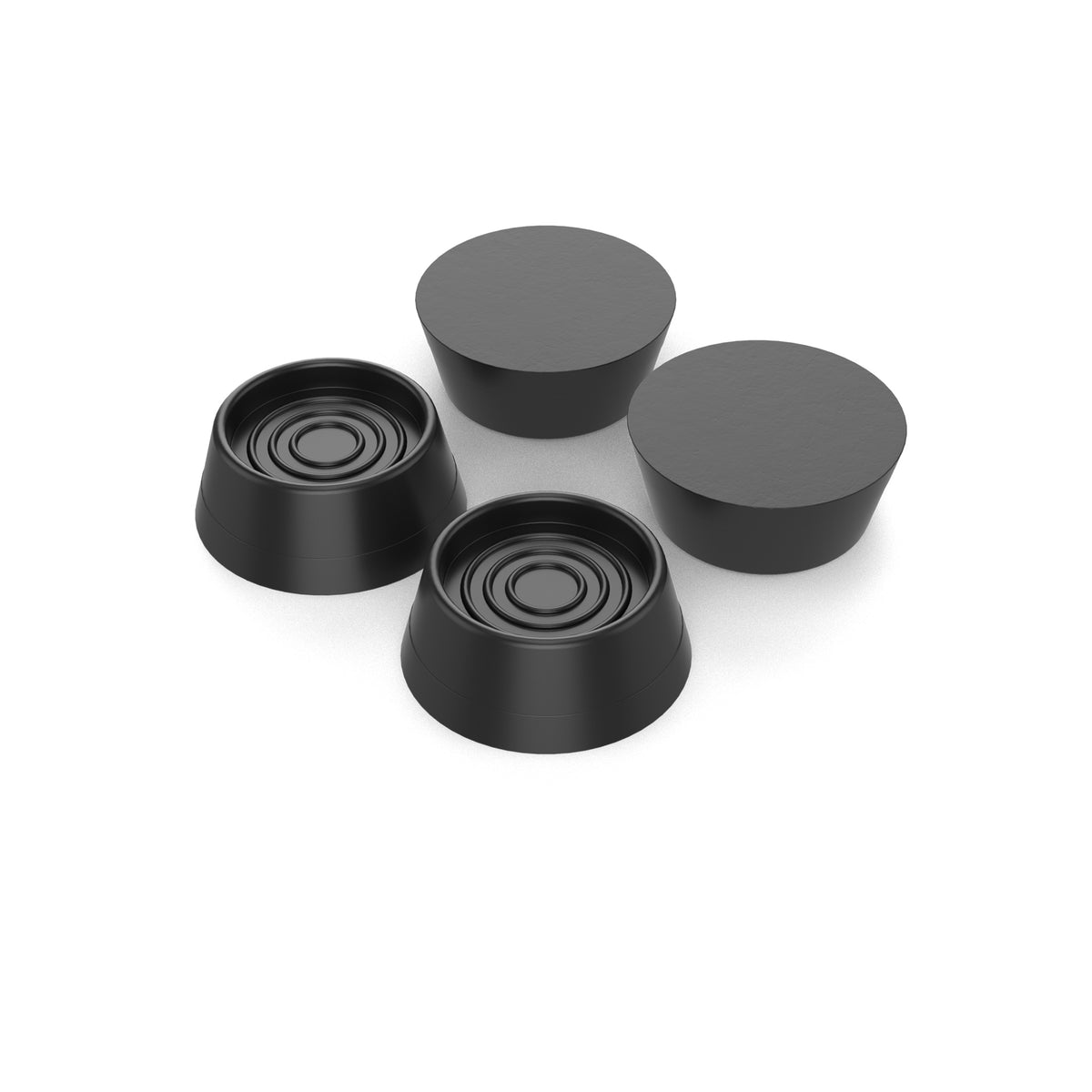
If your CNC is bolted to a workbench, the bench itself becomes a sounding board. Placing Sorbothane Hemispheres under the feet of the mill or the legs of the table traps vibration in the polymer and converts it to negligible heat. This ensures that a 4-hour carve doesn't disturb the rest of the building.
Isolate IT Shopping List for CNC Builders
-
For Motor Mounts: Sorbothane Bushings & Washers (70 Durometer is recommended for high-load CNC motors).
-
For Machine Feet: Sorbothane Hemispheres (30-50 Durometer is ideal for desktop mills like the Milo).
Whether you’re going vertical with a Maslow or precise with a Milo, a stable machine is a precise machine.