
Hey everyone, Ian here!
If you’ve been following our Hi-Fi Revival series, you know we’ve been using Sorbothane® Hemispheres to "float" speakers and turntables. But today, we’re taking that same high-end audio technology into the kitchen to solve one of the most annoying problems in the modern home: The Blender.
High-powered blenders are incredible tools, but standing next to one while it pulverizes ice at 6:00 AM can feel like standing next to a jet engine. Today, I’m going to show you how to bring the "gold standard" of commercial silence to your own countertop.
The "Coffee Shop" Secret
Have you ever noticed how quiet the blenders are at the nation's largest coffee shop chains? It’s not just the expensive plastic sound enclosures. Inside those machines, the manufacturers use custom Sorbothane® isolation gaskets to decouple the motor from the housing.
They know that if the motor is bolted directly to a rigid frame, the whole counter becomes a giant speaker. We’re going to use that same logic for your home setup.
The Fix: Floating Your Blender
Just like our bookshelf speakers, a blender creates massive amounts of structural vibration. When it sits on your granite or quartz countertop, that vibration is amplified.
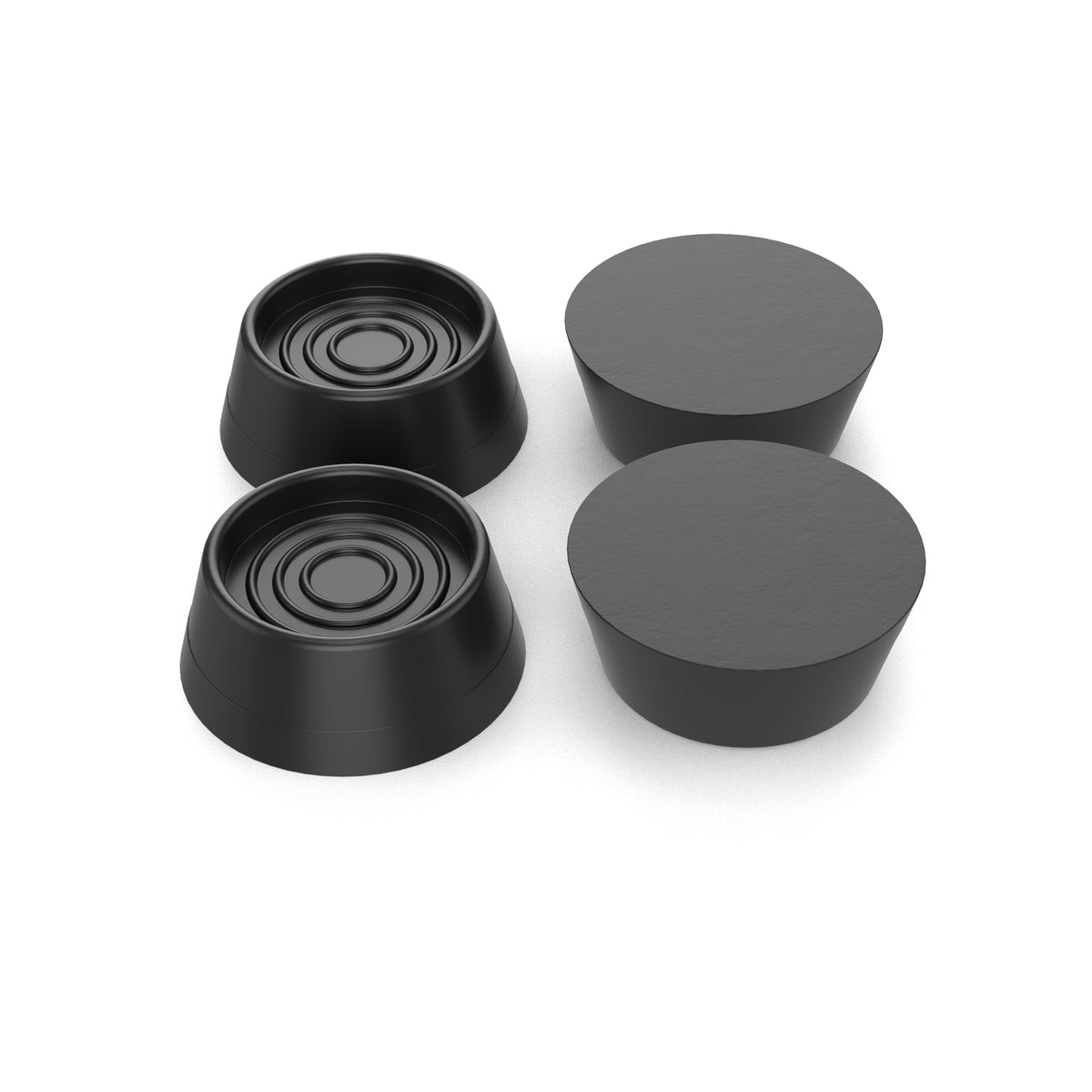
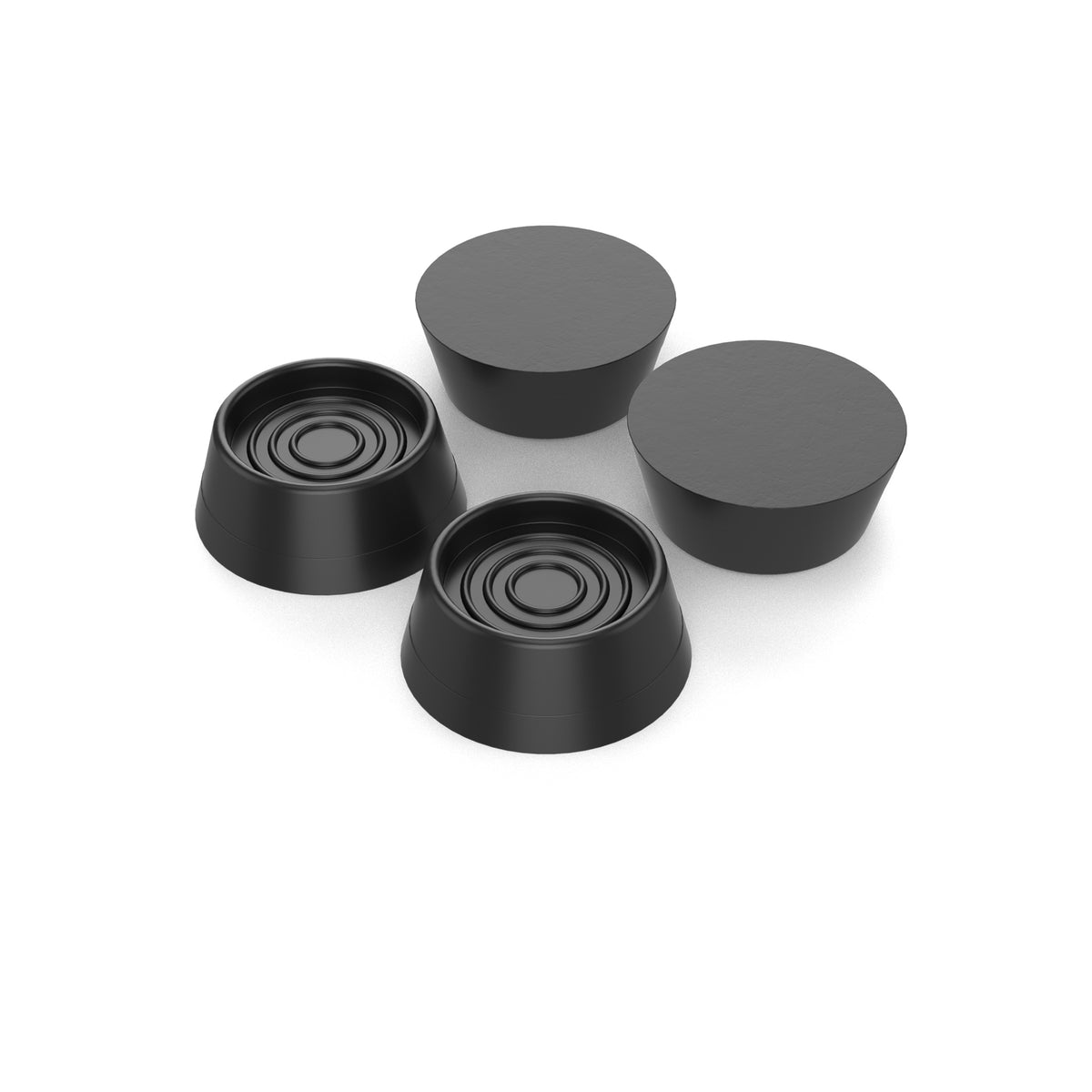
The Tool: Sorbothane® Hemispheres (Urethane Coated)
We recommend using our Urethane-coated version for the kitchen. Sorbothane is naturally "tacky," and the urethane coating protects your countertop surfaces from any potential marking while still providing 100% of the vibration-killing performance. Plus, this coating makes the Sorbothane easier to clean when your smoothie inevitably spills (because it happens to everyone).
The Install:
-
Compatibility: This works for full-sized and personal blenders. (Note: This won't help with immersion blenders, as those are handheld!)
-
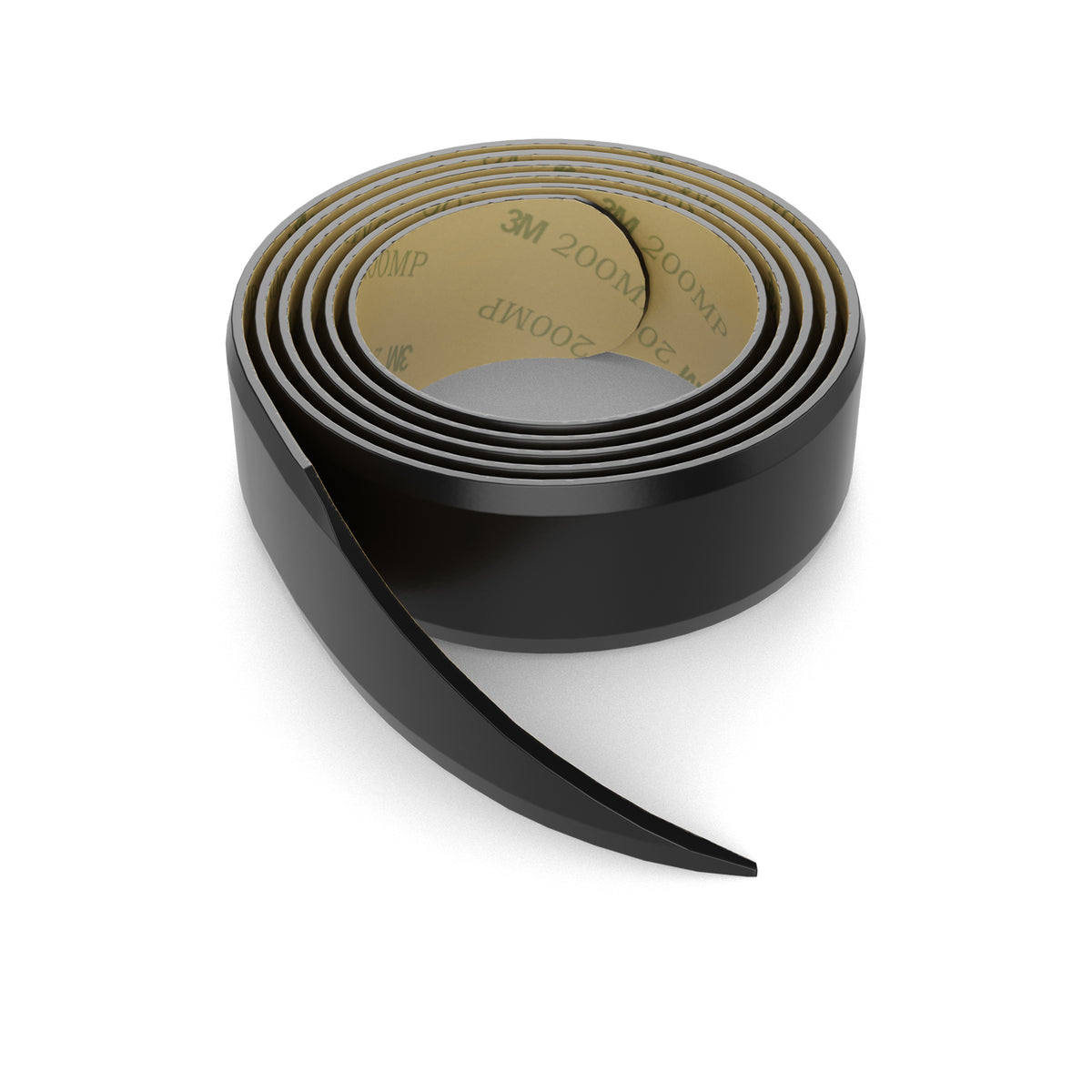
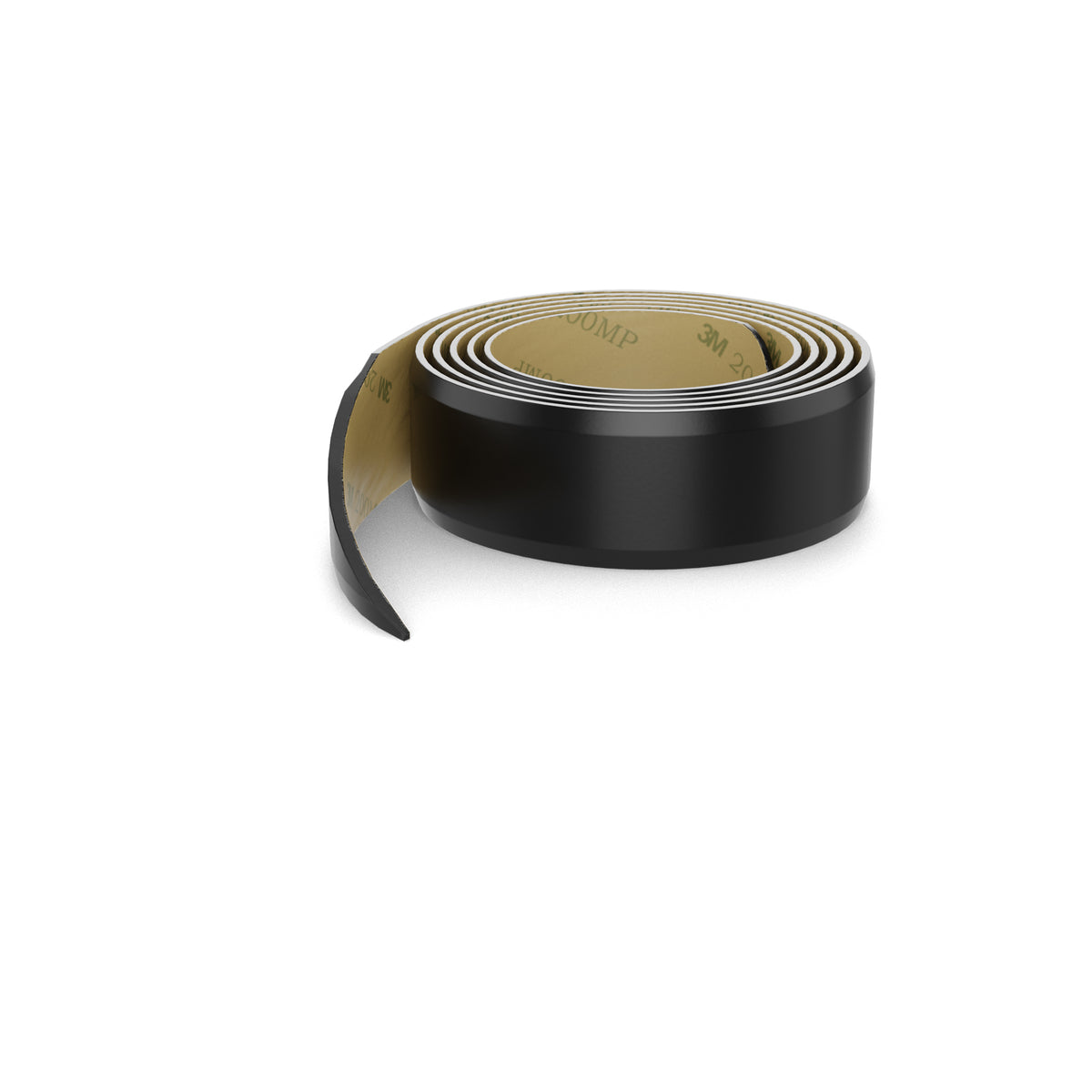
How-To: Simply find the weight of your blender, divide by four, and match it to the load rating on our site. Clean the base of the blender, peel the 3M adhesive, and stick a hemisphere near each corner.
-
The Result: By breaking the physical connection between the blender and the counter, you eliminate the "low-end drone" and resonance that makes blending so loud.
Buying Guide: Picking Your Next Workhorse
If you’re in the market for a new machine, there’s more to consider than just raw power. Based on industry standards and extensive testing, here is how the landscape looks in 2026:
The Four Categories
-
Premium ($300–$700): High-performance machines like Vitamix or Cuisinart Hurricane. Designed to make hot soup or nut butters. They are tanks, but they generate the most vibration.
-
Conventional ($30–$299): The standard full-sized choice. Great for smoothies and milkshakes, though they might struggle with "snow-like" ice consistency.
-
Personal ($20–$500): Designed for on-the-go users where the mixing jar doubles as a travel cup.
-
Immersion ($30–$200): Handheld "wand" blenders. Great space-savers for soups and gravies, but less powerful for ice.
Key Features to Look For:
-
Container: Plastic is lighter and harder to break, but glass won’t absorb odors. Look for a wide mouth for easy cleaning.
-
Controls: Touchpads are easy to wipe down; dials offer the most precision.
-
Storage: If you keep it on the counter, look for a model under 17 inches to ensure it fits under standard cabinets.
-
Warranty: A 10-year warranty is a hallmark of a premium machine, while budget models usually offer one year.
Pro-Tip: The "Vortex" Layering Method
Want a perfectly smooth blend every time? The order you pack your blender matters.
-
Liquids First: Creates the vortex that pulls solids down.
-
Leafy Greens/Herbs: Needs the most time near the blades to avoid "stringy" fibers.
-
Nuts & Seeds: Hardest to pulverize.
-
Soft Foods: Yogurt, tofu, or nut butter.
-
Fresh Produce: Liquefies quickly.
-
Frozen Foods: Adds weight to press everything into the blades.
-
Powders: Add while blending to prevent clumping.
-
Ice: Add last to reach your desired consistency.
Recommended Models for Top Performance
Whether you’re buying new or upgrading a "thrift store sleeper," these models are the current gold standard:
-
The Powerhouses: Cuisinart Hurricane Pro (CBT-2000), Vitamix (Propel 750, Ascent X2/X4/X5), Ninja Professional Plus (BN801).
-
Smart & Precise: NutriBullet Smart Touch (NBF50420), Chefman Obliterator.
-
Budget Friendly: Vitamix Explorian E310, Lotus Power Spin.
Conclusion
You don’t need to spend $700 on a blender to get professional results. By picking a reliable mid-range machine (new or used) and adding $25 worth of Sorbothane® Hemispheres, you can achieve a "gold standard" quiet kitchen on any budget.
What's the loudest thing in your kitchen? Let me know in the comments and we'll figure out a way to silence it!