
Hey everyone, Ian here!
If you were on YouTube in the mid-2000s, you remember Tom Dickson. The lab coat, the safety goggles, and the question that defined a generation: "Will it blend?" Whether it was a golf ball, a glow stick, or the latest iPhone, Blendtec proved that if you throw enough raw horsepower and RPMs at an object, it will become dust.
But there was one thing those videos didn't focus on: The Noise.
High-end blenders are essentially industrial-grade power tools for your kitchen. When you have a motor spinning a blade at 20,000+ RPM, you aren't just blending fruit; you are creating a symphony of mechanical vibration.
At Isolate IT, we spend a lot of time "behind the bar." We provide the specialized Sorbothane® isolators used by some of the world’s biggest coffee chains and blender manufacturers to ensure that your morning latte doesn't sound like a construction site.
The good news? You don't need a $1,000 commercial sound enclosure to get that same silence in your kitchen. Whether you’re rocking a top-tier Vitamix or a budget-friendly Ninja, here is how you can use material science to silence the scream.
The Science: Why is Your Blender So Loud?
According to the latest Consumer Reports Blender Buying Guide, noise is one of the top complaints among users. But why?
It's a two-part problem:
-
Motor Resonance: The motor itself vibrates the plastic housing of the blender.
-
Countertop Amplification: This is the big one. Your blender sits on a hard, flat countertop (granite, quartz, or laminate). The vibration from the blender travels through its feet and into the counter. Your countertop then acts as a giant "soundboard," amplifying those vibrations and broadcasting them through your entire house.
The Solution: "Floating" Your Blender on Sorbothane®
To quiet a blender, we have to decouple it from the kitchen counter. We need an "energy sink" that catches the vibration before it can turn your kitchen island into a speaker.
Based on the models currently topping the Consumer Reports charts, here are my recommended "Ian’s DIY Fixes":
1. The "Heavyweight" Fix (For Vitamix 5200 & Professional Series)
The Vitamix 5200 is a Consumer Reports "Best Buy" for a reason—it’s a tank. But it’s a heavy, vibrating tank.
-
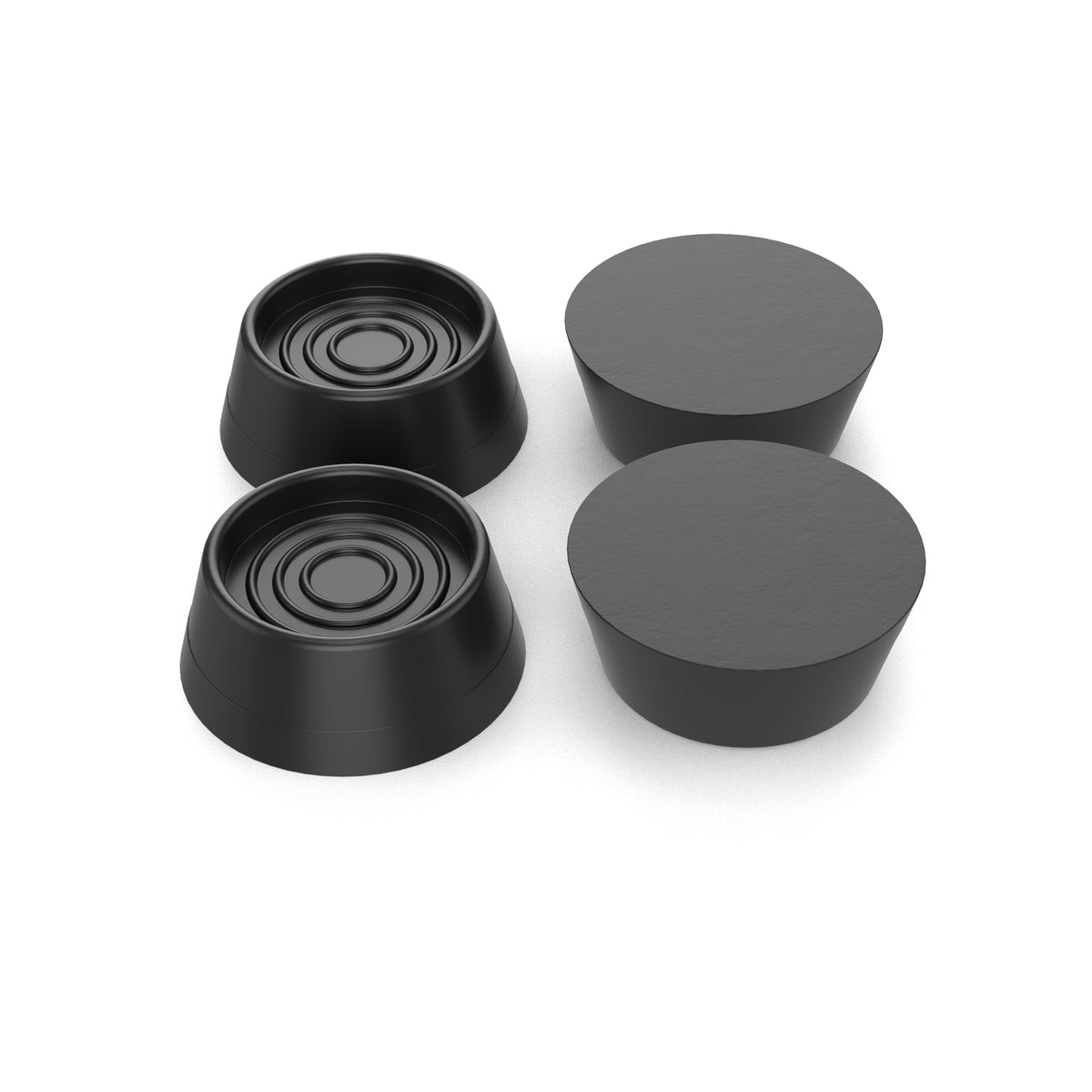
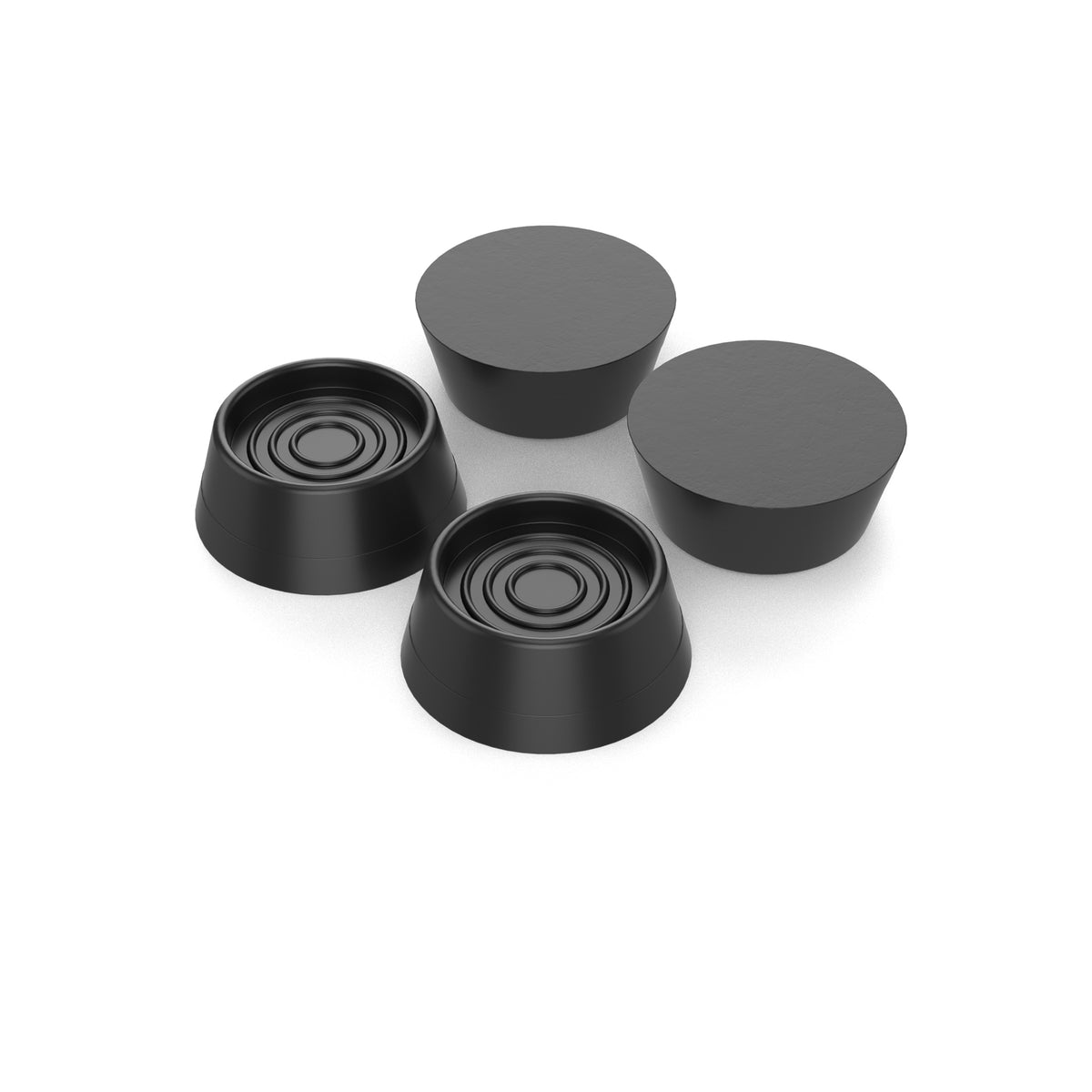
The Mod: Use four 1" Sorbothane Hemispheres (50 Durometer).
-
Why: Because these blenders are heavy and have high-torque motors, you need a medium-firm (50 Duro) material. Simply stick a hemisphere next to each of the existing rubber feet. By "floating" the Vitamix on Sorbothane, you break the connection to the counter.
-
Result: The "low-end" rumble that shakes the floor is almost entirely eliminated.
2. The "High-Frequency" Fix (For Ninja Professional & NutriBullet)
These blenders are incredibly popular but often use thinner plastic housings, which creates a higher-pitched, "whiny" noise.
-
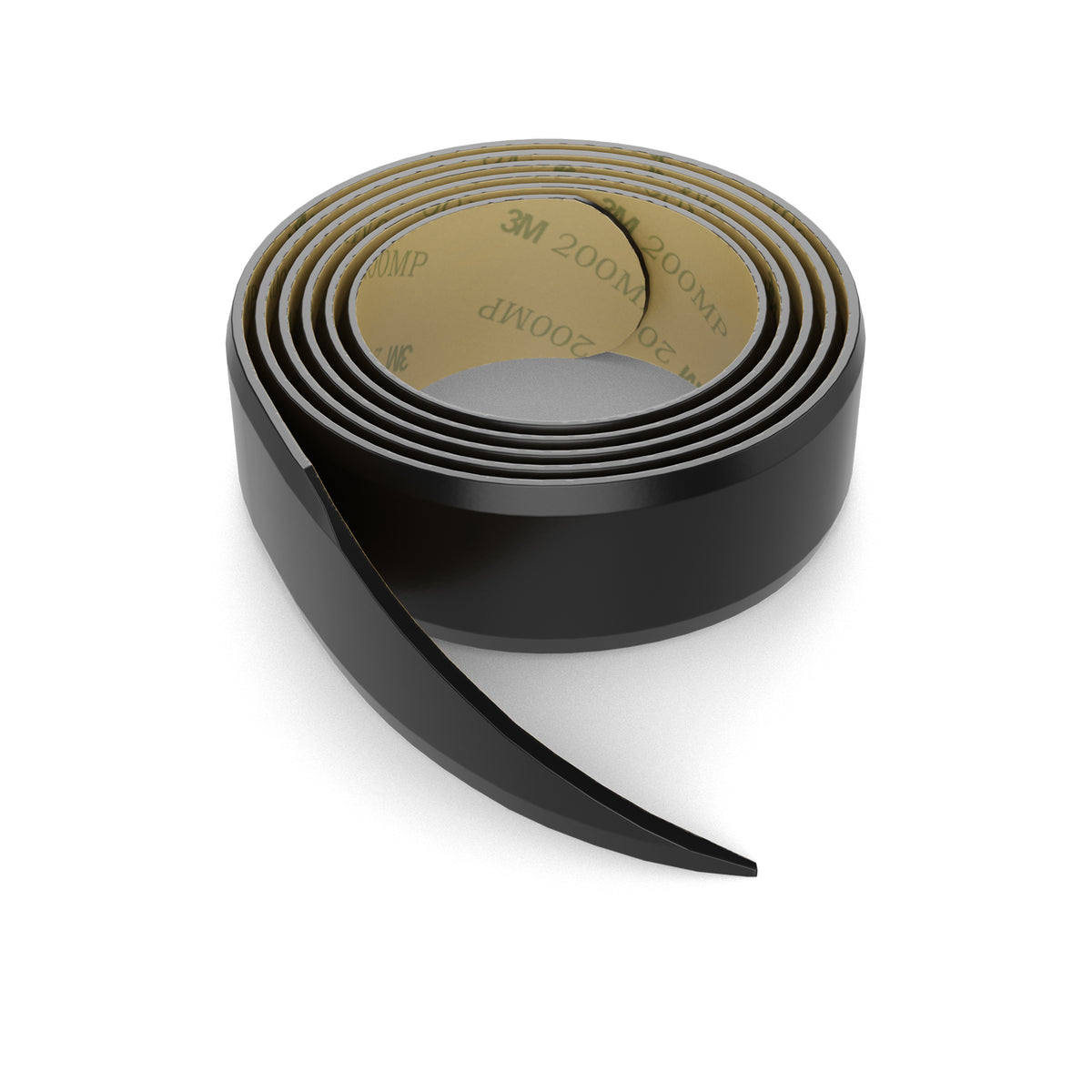
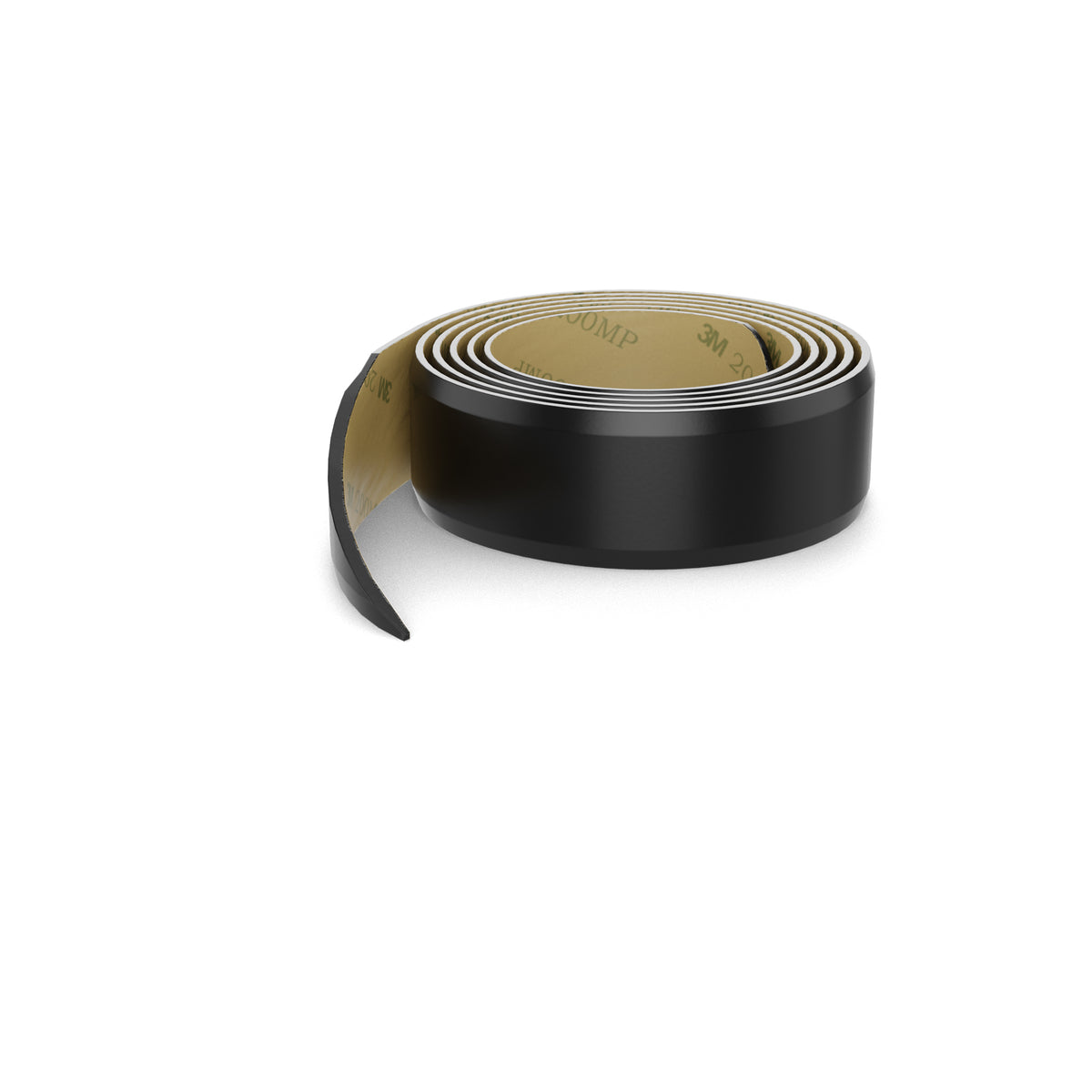
The Mod: A 1/4" thick Sorbothane Sheet (30 or 40 Durometer).
-
Why: Softer Sorbothane (30 Duro) is an absolute wizard at absorbing high-frequency "buzz." Cut a square or circle that matches the footprint of your blender base and place it underneath.
-
Result: It changes the "pitch" of the blender. The harsh, piercing whine is absorbed by the sheet, leaving you with a much more bearable, muffled whir.
3. The "Full-Isolation" Platform (The Pro Move)
If you want the ultimate quiet—the kind we design for professional baristas—do this:
-
Place a heavy wooden or stone cutting board on your counter.
-
Place Sorbothane Hemispheres under the four corners of that board.
-
Place your blender on top of the board.
-
Why: This is a "Mass-Loaded Isolation System." The heavy board provides inertia to resist moving, and the Sorbothane absorbs any energy that gets through. This is how you blend a smoothie at 5:00 AM without waking up the neighbors.
Engineering Silence
You don't have to trade power for peace and quiet. Whether you're pulverizing frozen kale or (God forbid) an old remote control, you can do it without the headache.
Sorbothane® was designed for space shuttles and high-end engineering, but it’s just as effective in your kitchen.
What’s the loudest appliance in your kitchen? Let me know in the comments and we’ll figure out a fix!