
The "thunder" from Tuesday’s launch is still ringing in my ears, but while the world is focused on the four astronauts currently crossing the translunar gulf, there are four other "passengers" I’ve been tracking closely.
Tucked inside the Orion Stage Adapter (OSA) were four CubeSats—tiny, shoebox-sized powerhouses of science. Watching the SLS clear the tower, I couldn't help but think about the incredible engineering required to keep those delicate sensors alive through the most violent minutes of their lives.
Here is the breakdown of the "hitchhikers" on Artemis II and how we help them survive the ride.
When we talk about the Space Launch System (SLS), we usually talk about millions of pounds of thrust and the massive Orion capsule. But for researchers, the "secondary payloads" are just as exciting. Approximately five hours after launch, the avionics unit began the deployment sequence for four unique CubeSats provided by our international partners under the Artemis Accords.
The Challenges of a "Shoebox" Satellite
A CubeSat is a masterpiece of miniaturization. Because they are so small, every millimeter of space is accounted for, and every gram of weight is scrutinized. However, being small makes you vulnerable. The acoustic energy and structural vibration of an SLS launch can easily rattle a sensitive radiation sensor or a long-range communication array into uselessness before it even reaches orbit.
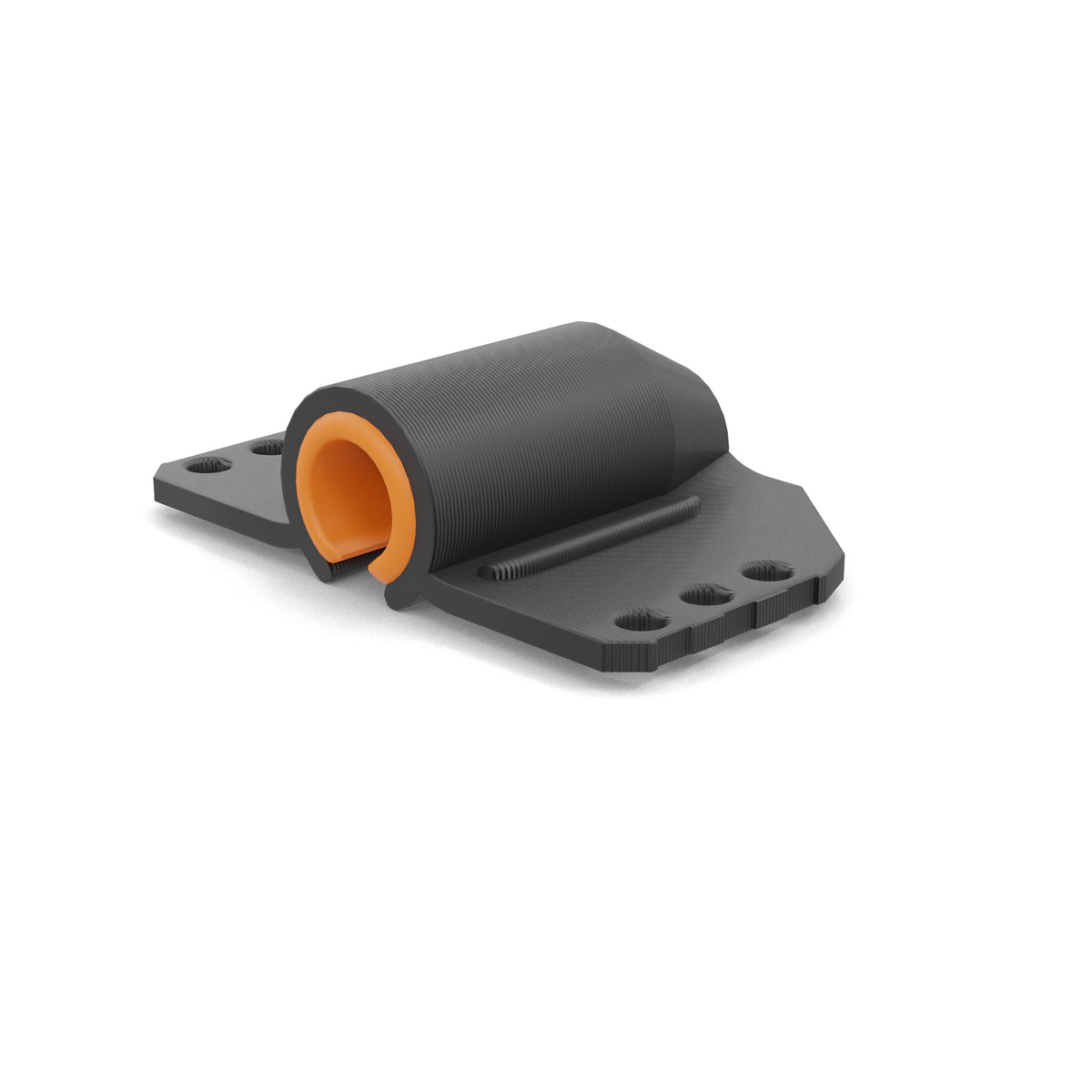
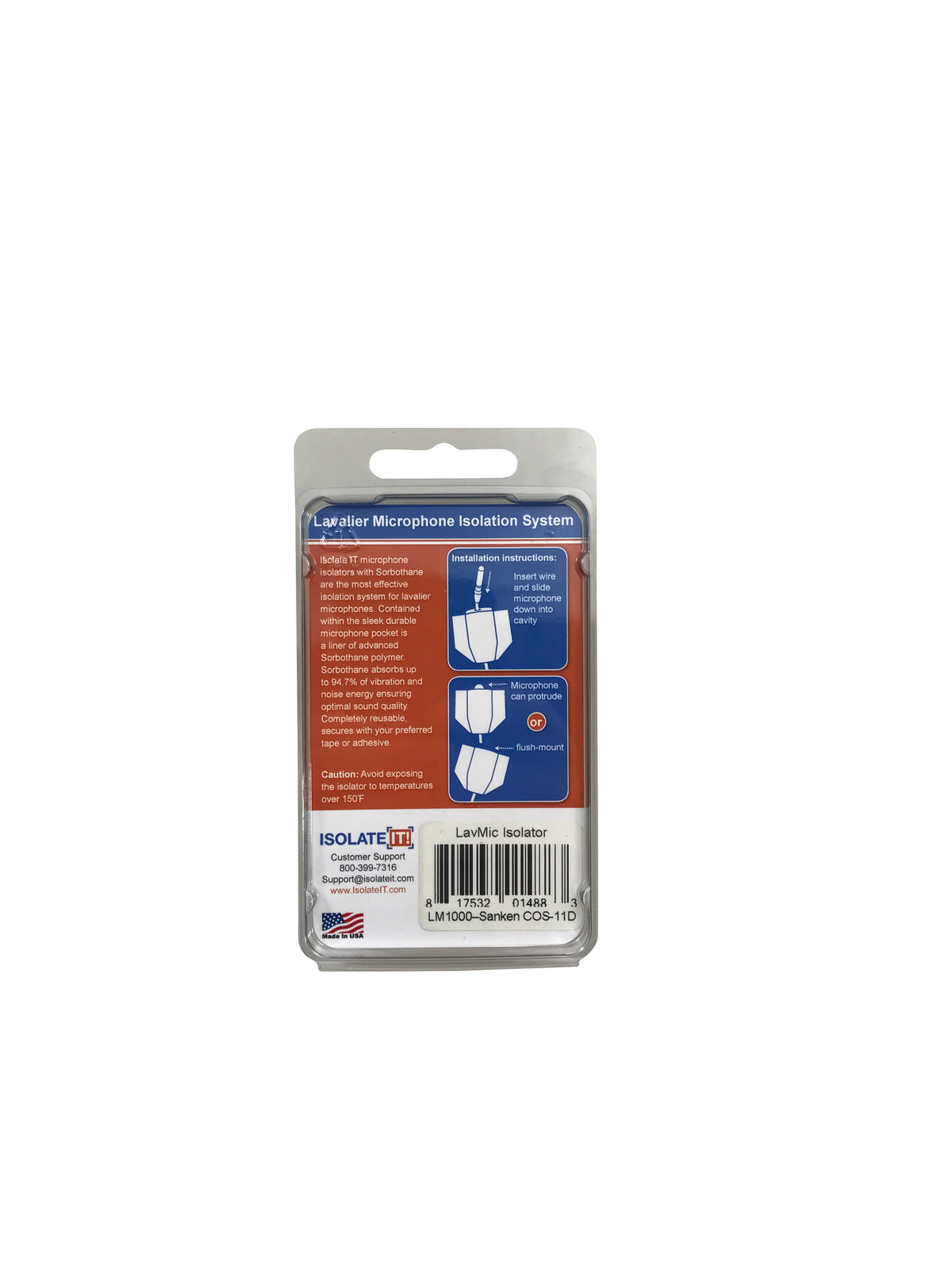
For over a decade, Isolate IT Sorbothane has been the "safety blanket" for these missions. While our Sorbothane washers are great for standard mounts, most CubeSat developers turn to our Ultra-Thick Sorbothane Thin Films.
These films are the "secret weapon" for satellite engineers because:
-
Precision Isolation: They can be die-cut to the exact specifications of a tiny circuit board or sensor housing.
-
Energy Absorption: Sorbothane’s viscoelastic properties "swallow" the high-frequency vibration of launch, preventing mechanical fatigue in the delicate solder joints and optics.
-
Space-Saving: When you only have a 6U or 12U volume to work with, you can't afford bulky springs. Our thin films provide maximum damping in a minimal footprint.

Meet the Artemis II "Hitchhikers"
These four satellites are now in high Earth orbit, beginning their own independent missions across the Van Allen radiation belts and beyond:
-
ATENEA (Argentina): Developed by the National Space Activities Commission, this mission is a triple-threat, investigating advanced radiation shielding, orbital design optimization, and long-range communications.
-
Space Weather CubeSat-1 (Saudi Arabia): This payload is a flying laboratory for solar physics, measuring everything from radiation and solar X-rays to magnetic fields and high-energy particles.
-
TACHELES (Germany): A technology demonstrator from the German Aerospace Center (DLR). It’s testing the electrical components and logistics technologies that will power the lunar vehicles and habitats of the 2030s.
-
K-Rad Cube (South Korea): Developed by KASA, this mission is diving deep into the biological effects of space radiation as it traverses the Van Allen belts—critical data for long-term human survival on the Moon.
Protecting the Next Generation
Whether it's a sensor on ATENEA or the cameras capturing the launch back at KSC, the goal is the same: ensure the data makes it home. At Isolate IT, we take immense pride in knowing that our materials are the physical barrier between a successful mission and a pile of broken electronics. As these CubeSats begin their work in the harsh environment of space, we’re already looking toward the next launch and the next set of challenges.
Onward to the Moon!